How to Exercise a Dog in an Apartment
As an Amazon Associate I earn from qualifying purchases.
A dog without a yard can still be a tired, happy, well-behaved dog. The trick in an apartment is combining short outdoor bursts with indoor movement and mental work that drains energy in ways a backyard never could. Here is how to keep an apartment dog genuinely satisfied.
Build a Reliable Daily Movement Routine
Apartment dogs thrive on predictability, so anchor the day with set outings: a brisk morning walk, a midday break, and a longer evening outing that actually raises the heart rate. Consistency matters more than any single long session, because a dog that knows movement is coming settles far better between outings. Aim for pace and engagement on walks, not just distance covered.
When you cannot get outside, bring the cardio indoors. A hallway is a runway for fetch, stairs in the building are a workout, and short recall games from room to room burn real energy. Two or three five-minute bursts scattered through the day add up to a calmer dog than one rushed lap around the block.
Tire the Brain, Not Just the Body
Mental work exhausts a dog faster than physical exercise, which is a gift when you have limited square footage. Puzzle feeders, scent games where you hide treats around the apartment, and short training sessions teaching a new trick all leave a dog pleasantly tired without needing a single lap outside. Ten focused minutes of nose work can settle a dog for hours.
Rotate the challenges so they stay novel. Feed at least one meal a day out of a puzzle instead of a bowl, and swap toys in and out of storage so an old toy feels new again. This mental drain is the secret weapon of small-space dog owners and often solves the restlessness people blame on lack of space.
Give a Restless Dog a Place to Settle
Exercise only works if it is paired with real rest, and many apartment dogs never fully switch off because they have no den of their own. A properly sized crate or a defined corner teaches a dog that downtime is part of the day, which prevents the pacing and whining that get mistaken for needing more exercise.
Make the resting spot genuinely comfortable and calm, tucked away from the front door and foot traffic. A supportive, calming bed helps an anxious dog decompress after activity, and a crate used as a positive retreat, never as punishment, becomes the place your dog chooses when it is time to wind down.
Solve the Potty Problem So You Can Focus on Fitness
Nothing derails an exercise routine like a bathroom emergency, and apartment dogs face longer gaps between outdoor trips than yard dogs do. Sorting out reliable potty logistics removes the anxiety from both ends of the leash and lets you plan real activity instead of constant quick dashes downstairs.
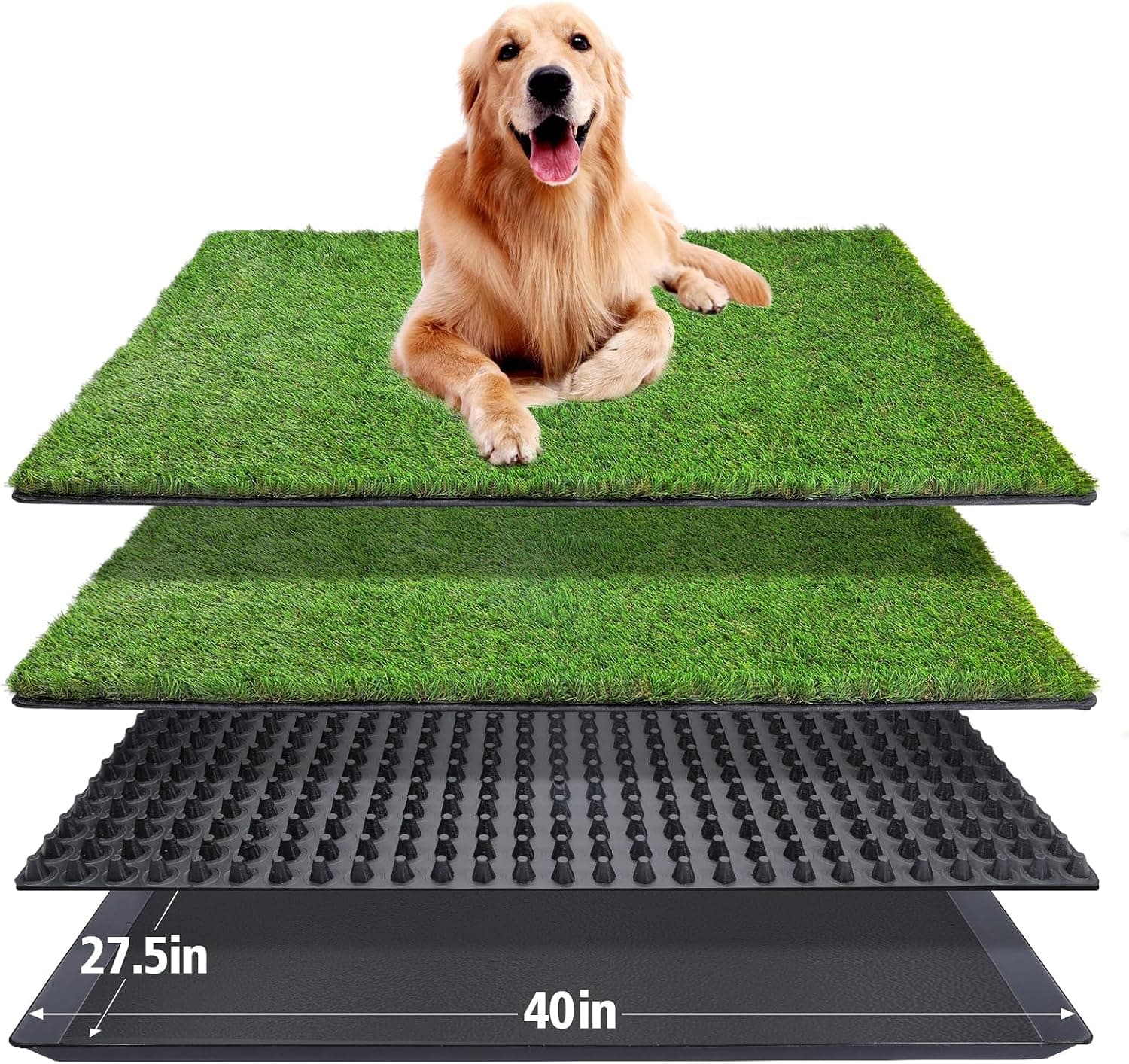
An indoor potty station is a genuine backup for bad weather, high floors, long workdays, or puppies who cannot yet hold it. Set it up in a consistent spot with clear boundaries, and pair it with a predictable outdoor schedule so your dog always knows where relief is coming from.
Manage the Fallout of an Active Indoor Dog
An active dog in a closed apartment means more shed hair and dander getting worked into rugs and upholstery, plus damp-dog smell after wet-weather walks. Staying ahead of the mess keeps your home livable and keeps the air comfortable for everyone sharing that compact space.
A quick daily vacuum over the high-traffic zones your dog uses most, plus a clean resting area, does the heavy lifting. Wash the dog bed regularly and wipe paws after outings, and the mess of an energetic indoor dog stays entirely manageable in even a small floor plan.