How to Keep an Apartment from Smelling Like Pets
As an Amazon Associate I earn from qualifying purchases.
Pet smell in a small apartment builds up fast because there is nowhere for the air to escape. The good news is that odor is a solvable problem when you treat the source instead of masking it. This guide walks through the five places where apartment pet smell actually starts.
Start With the Litter Box, Not the Air Freshener
The litter box is the single biggest odor source in most apartments, and no plug-in scent will out-run a box that needs attention. The fix is boring but effective: scoop at least once a day, do a full litter change on a weekly schedule, and wash the plastic tray with unscented soap every few weeks so smells do not soak in. A box that is cleaned on a rhythm almost never announces itself from across the room.
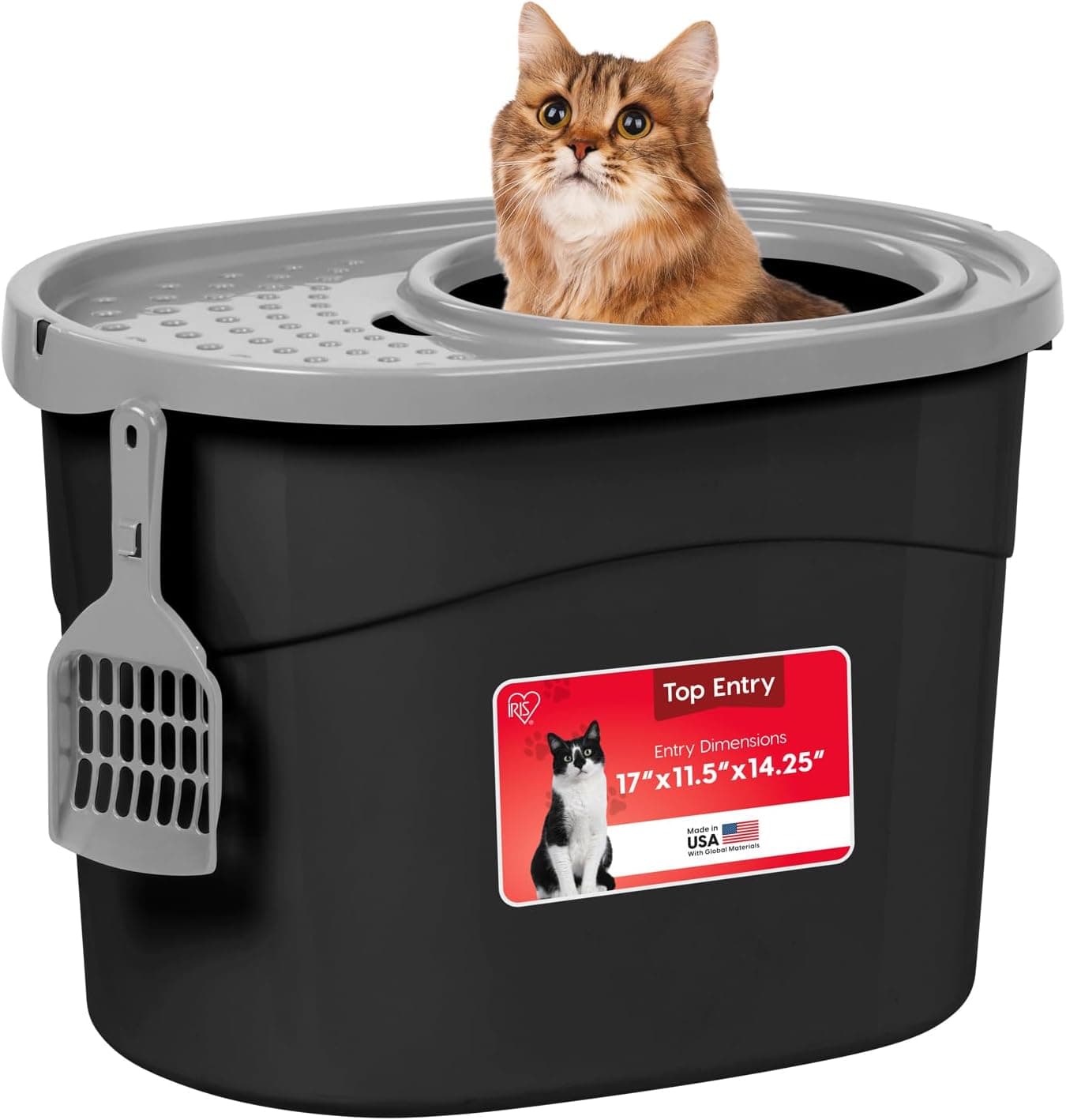
Placement and design matter just as much as cleaning. An enclosed box contains scent and stray litter far better than an open pan, especially in a studio where the box shares space with your bed or couch. Give it a spot with a little airflow, keep it away from heating vents that push odor around, and size it generously so your cat is not forced to sit on soiled litter.
Clean the Air, Do Not Just Scent It
Sprays and candles cover odor for an hour, then it returns because the particles causing the smell are still floating in the room. An air purifier with a true HEPA filter plus an activated carbon layer actually captures dander and pulls odor molecules out of circulation. In an apartment, that difference is the gap between a home that smells clean and one that smells masked.
Size the purifier to the room and let it run continuously on a low setting rather than blasting it only when guests are coming. Position it near the litter box, the crate, or wherever your pet sleeps, since that is where odor concentrates. Carbon filters wear out, so mark a reminder to swap them on the maker's schedule or the unit quietly stops working.
Attack Odor Trapped in Soft Surfaces
Fabric is where apartment pet smell hides. Rugs, sofa cushions, curtains, and pet beds all hold onto oils and dander, and because these surfaces are large and slow to clean, they become a constant low-level source of odor you stop noticing but guests do not. An enzyme-based eliminator is the tool that matters here, because enzymes break down the compounds instead of perfuming over them.
Build a simple rotation: wash pet bedding weekly, spot-treat accidents immediately with an enzyme product before they set, and refresh larger textiles like rugs and throws every couple of weeks. For anything machine washable, an unscented enzyme additive in the wash pulls out smells that regular detergent leaves behind.
Vacuum Hair Before It Becomes Smell
Shed hair is not just a visual problem. It traps dander and skin oils, and as it collects under furniture and along baseboards it turns into a hidden reservoir of odor. In a compact apartment there is less floor to hide it, which is actually an advantage: a quick daily pass over the main traffic areas keeps buildup from ever starting.
A vacuum built for pet hair, with strong suction and a tangle-resistant brush, does in one pass what a general vacuum smears around in three. Pay special attention to upholstery and the edges of rooms where hair drifts. Empty the bin or bag often, because a full canister becomes its own source of smell.
Keep Food and Water Areas From Turning
The feeding station is an overlooked odor source. Old food left in a bowl goes stale, wet food dries into a crust that smells sour, and a water bowl that sits still grows a film that gives off a musty note. In a small space, that corner can quietly scent the whole room if you let it slide.
Wash food and water bowls daily, and consider an automatic feeder that dispenses fresh portions on a schedule so food is not sitting out for hours. A circulating water fountain keeps water moving and far fresher than a still bowl, which also nudges pets to drink more. Clean both appliances on the maker's schedule so the hardware itself does not become the problem.