How to Handle Dog Barking Complaints in an Apartment
Published How we research
Thin walls and shared hallways mean a dog that barks for a few minutes can disturb several households, and repeated complaints can lead to warnings from a landlord. Barking is communication, so the goal is not silence but fewer triggers and better ways for your dog to cope. Start by finding out exactly when the barking happens.
Find out when and why it happens
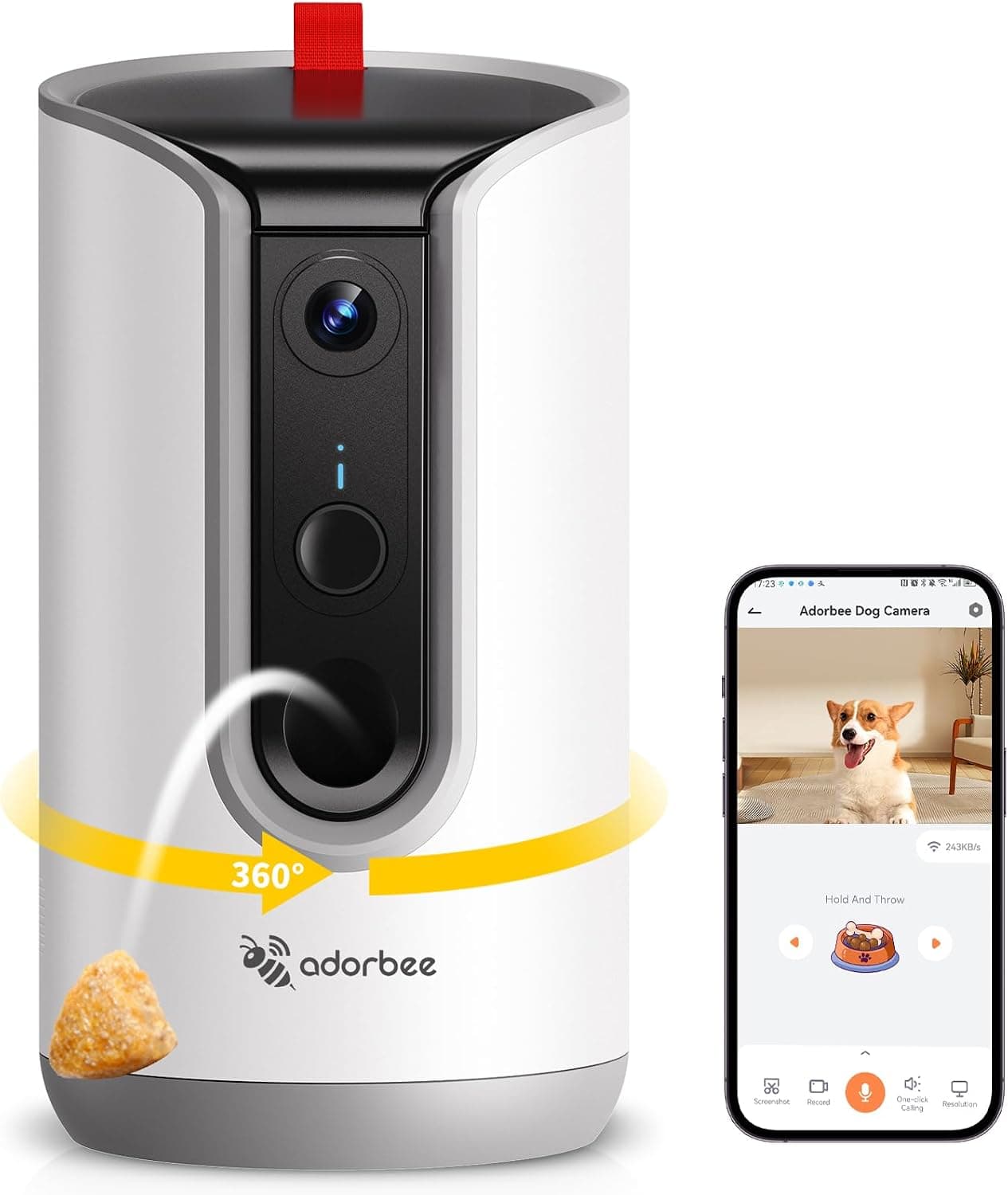
Many owners only learn about barking from a neighbour, because it happens while they are out. A pet camera or a simple video recording while you are away shows whether the dog barks at hallway noise, the door, the window, or constantly after you leave.
Each pattern has a different fix. Barking at sounds is usually alert barking, barking that starts right after you leave and continues can point to separation distress, and barking at a window is often reactive barking at people or dogs passing by.
Reduce trigger noise and views
Hallway footsteps, elevator dings and neighbours' doors are common triggers in apartments. A white noise machine or fan near the entrance masks many of these sounds, and a draft stopper under the front door reduces both noise and the smell of passing dogs.
If your dog barks at the street, apply frosted window film to the lower part of the glass or block access to the favourite lookout spot. Moving the dog's bed away from the front door also reduces the urge to guard the entrance.
Meet exercise and enrichment needs
Under-exercised and bored dogs bark more. A long walk or play session before you leave, plus sniffing time on walks, helps many dogs rest quietly for longer periods.
Food puzzles, lick mats and snuffle mats give your dog something calm to focus on when you leave and during busy times in the building. Rotate toys so they stay interesting rather than leaving the same ones out every day.
Teach quieter responses
When your dog barks at a sound, calmly call them away and reward them for coming to you or going to their bed. Over time the dog learns that a noise in the hallway predicts a treat from you rather than a need to sound the alarm.
Avoid shouting, which dogs can interpret as joining in, and avoid bark collars that use shock or spray, which can increase fear and anxiety. If barking is linked to being left alone, build up alone time gradually and talk to a qualified trainer or your vet.
Talk to your neighbours
A friendly conversation often resolves tension faster than a letter from the landlord. Thank the neighbour for letting you know, explain what you are doing to reduce barking and share your phone number so they can tell you directly if it happens again.
If your dog barks at specific times, such as when a neighbour leaves for work, that information helps you plan walks or enrichment around it. Showing you are taking action makes neighbours and landlords far more patient while training takes effect.
Products from this article
The highest-scoring picks from the buying guides mentioned above. Scores are our editorial assessment, not customer ratings.
+ 2K Video gives sharper views of pets than standard HD cameras
From our guide: Best Pet Treat Dispenser Cameras for Apartments
+ 6 Pieces give a range of puzzles to rotate through the week
From our guide: Best Dog Puzzle Toys
+ 2 Pack lets you keep one frozen and one ready to use
From our guide: Best Dog Lick Mats
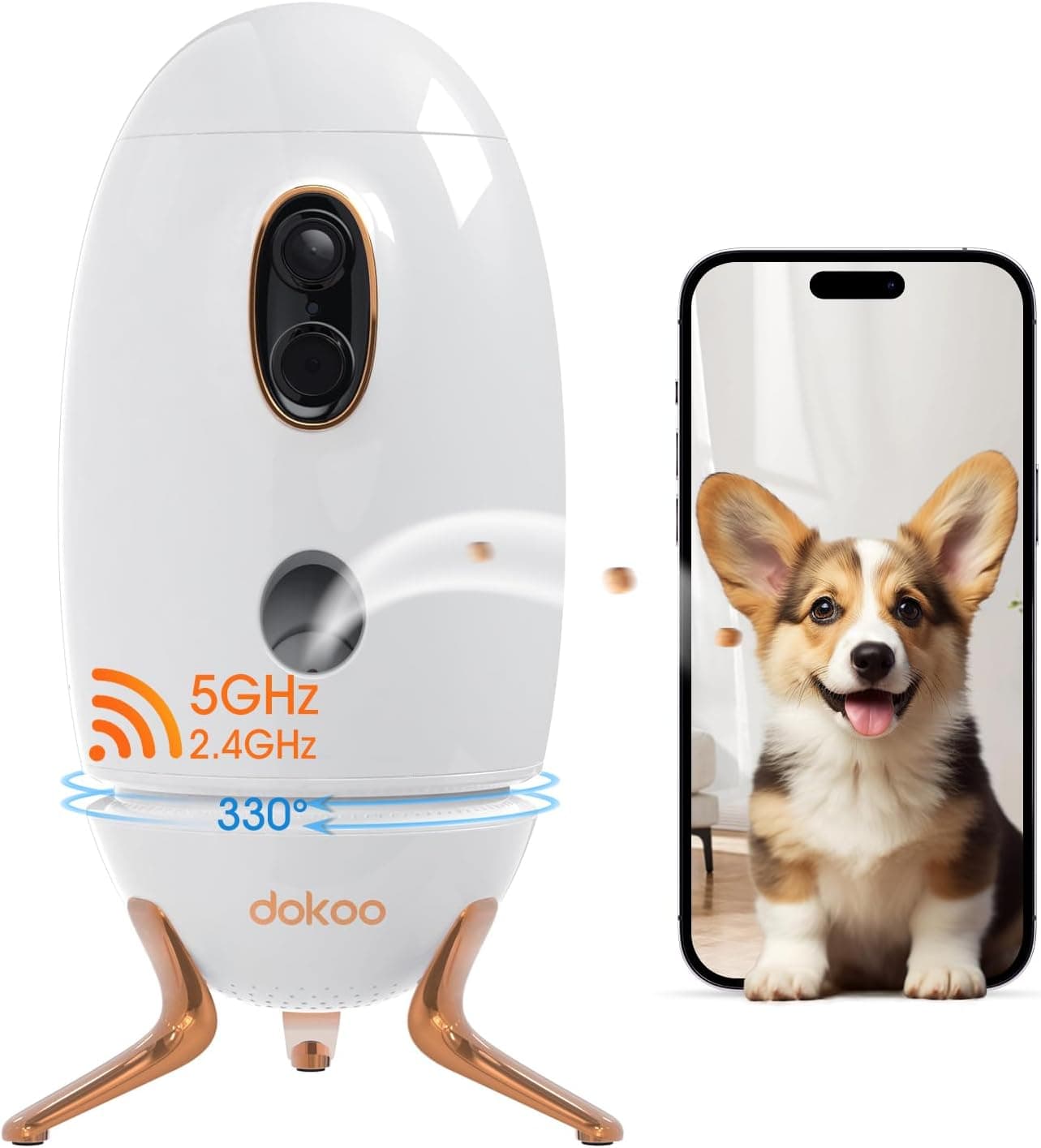
+ 330 degree view covers most of a small apartment room
From our guide: Best Pet Treat Dispenser Cameras for Apartments


Popular right now
- Best Pet Odor Eliminators for Apartments (2026 Guide)Buying guide
- Pheromone diffuser explainedGlossary
- Best Automatic Litter Boxes for Small ApartmentsBuying guide
- Best Dog Puzzle ToysBuying guide
- Best Pet Gates for Apartments and RentersBuying guide
- Best Enclosed Litter Boxes for Apartments (2026 Guide)Buying guide
Based on the last 28 days of search and visitor data.