Litter Box Placement Ideas for Small Apartments
Published How we research

Choose a quiet, low-traffic corner away from loud appliances or busy doorways, since cats avoid places where they might be startled. Keep the box away from food and water bowls. Furniture like a litter box enclosure can hide the box while keeping it roomy and ventilated inside. Use unused nooks like under a console table or in a closet with the door propped open, never a door that could get shut. For multiple cats, plan one box per cat plus one extra, spaced across different rooms if needed. Whatever spot you choose, make sure you can reach it easily for daily scooping. Finding a good spot for a litter box in a small apartment is a real puzzle, but placement affects both odor and whether your cat uses the box reliably. Cats have clear preferences about where they feel safe to go, so the best spot balances their comfort with your limited space. A little planning prevents accidents and keeps smells contained.
Products from this article
The highest-scoring picks from the buying guides this article links to. Scores are our editorial assessment, not customer ratings.
+ Active carbon absorbs odors without added scent
From our guide: Best Cat Litter Deodorizers for Odor Control
+ Enzyme formula breaks down urine rather than masking the smell
From our guide: Best Pet Odor Eliminators for Apartments (2026 Guide)
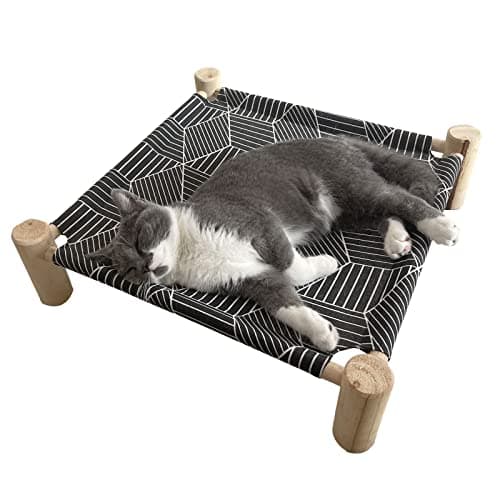
+ Sits about 5.1 inches off the floor on natural pine poles, keeping the sleeping surface away from cold or dirty floors.
From our guide: Best Elevated Cat Beds
+ 8 Pound Bag covers many months of litter changes
From our guide: Best Cat Litter Deodorizers for Odor Control



Choose a quiet, low-traffic corner first
Choose a quiet, low-traffic corner first. Cats prefer to do their business somewhere they will not be startled by foot traffic, appliances, or sudden noise. Avoid placing the box next to a loud washing machine or a busy doorway. A calm corner of the bathroom or bedroom often works better than a hallway.
Keep the box away from food and water
Keep the box away from food and water. Cats naturally avoid eliminating near where they eat, so putting the box beside their bowls can discourage use. Even in a tight studio, try to create some separation between the feeding zone and the litter zone.
Use furniture to blend the box into the room
Use furniture to blend the box into the room. A litter box enclosure or a repurposed cabinet with an entry hole hides the box while giving your cat privacy. Just make sure the space inside stays roomy and well ventilated so it does not trap odor or feel cramped.
Think vertically and use unused nooks
Think vertically and use unused nooks. The space under a console table, beside a toilet, or in the bottom of a closet with the door propped open can all work. The key is easy, constant access, so never place the box behind a door that might get shut.
Plan for more than one box with multiple cats
If you have more than one cat, plan for more than one box. A common guideline is one box per cat plus one extra. In a small apartment this is challenging, but even spacing two boxes in different rooms reduces territory tension and accidents.
Make sure you can reach it easily for scooping
Whatever spot you choose, make sure you can reach it easily for daily scooping. A box that is hard to access gets cleaned less often, which leads to odor and avoidance. Convenience for you and privacy for your cat is the winning combination.
Frequently asked questions
Where should a litter box be placed in a small apartment? In a quiet, low-traffic corner away from loud appliances and busy doorways, such as a calm corner of the bathroom or bedroom, since cats prefer not to be startled while using it.
Should a litter box be near food and water bowls? No, cats naturally avoid eliminating near where they eat, so keep some separation between the feeding zone and the litter box even in a tight studio.
How many litter boxes do I need for multiple cats? A common guideline is one box per cat plus one extra; even in a small apartment, spacing two boxes in different rooms reduces territory tension and accidents.
Can I hide a litter box in furniture in a small apartment? Yes, a litter box enclosure or repurposed cabinet with an entry hole hides the box while giving privacy, as long as the inside stays roomy and well ventilated.
Popular right now
- Best Enclosed Litter Boxes for Apartments (2026 Guide)Buying guide
- Crate training explainedGlossary
- How to Handle Dog Barking Complaints in an ApartmentArticle
- Best Pet Odor Eliminators for Apartments (2026 Guide)Buying guide
- Best Cat Scratching Posts for Apartments (2026 Buyer Guide)Buying guide
- Nail caps explainedGlossary
Based on the last 28 days of search and visitor data.