Why Your Cat Will Not Use a Water Fountain and What to Do
Published How we research
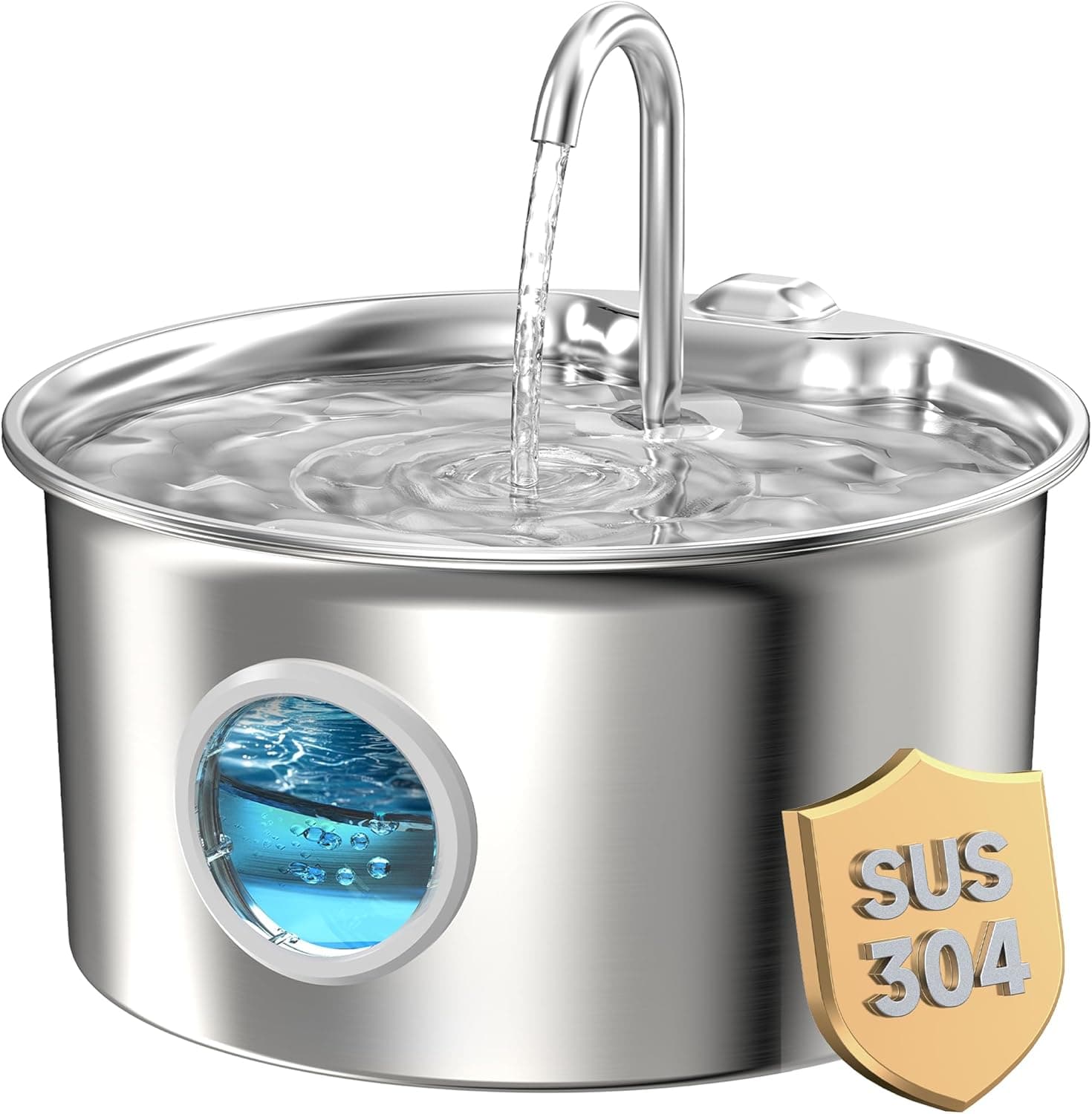
Pet water fountains are popular because moving water encourages many cats to drink more, which supports kidney and urinary health. Yet plenty of cats sniff a new fountain and walk away, or stop using one they liked before. The cause is usually something small, such as noise, a dirty pump, placement near the litter box or whiskers touching the rim.
Give your cat time to adjust
Cats are cautious about new objects, especially ones that hum and move. Keep the old water bowl available next to the fountain for the first week or two so your cat never has to choose between being thirsty and trying something unfamiliar.
Some cats accept a fountain more quickly if it is first used with the pump turned off, as a still bowl, and then switched on once they drink from it comfortably.
Check for noise and vibration
A pump that rattles, gurgles or buzzes can scare sensitive cats. Low water levels are the most common cause of noise, because the pump starts pulling in air, so top up the fountain before it runs low.
Place the fountain on a stable, level surface rather than a hollow cabinet or wooden floorboard that amplifies vibration. A silicone mat under the fountain can dampen the hum in a quiet apartment.
Keep it clean
Cats have a strong sense of smell and avoid water that tastes stale. Biofilm builds up on the pump, tubes and bowl within days, and filters that are overdue for replacement can give water an off odour your cat notices long before you do.
Clean the fountain and pump weekly with warm water and unscented dish soap, rinse thoroughly and replace filters on the manufacturer's schedule. Stainless steel and ceramic fountains are easier to keep fresh than scratched plastic, which traps residue.
Rethink placement
Many cats prefer not to drink right next to where they eat and avoid water near the litter box entirely. In small apartments these often end up close together, so move the fountain to a separate quiet spot away from food and litter.
Choose a place where your cat can see the room while drinking, not a narrow corner or a busy walkway. Offering a second water source in another room also increases how much many cats drink.
Consider the design and your cat's health
Some cats dislike their whiskers brushing the sides of deep bowls, or do not like the splash of a tall stream. Fountains with a wide, shallow drinking area or a gentle flow over a flat surface suit these cats better.
If your cat suddenly drinks much more or much less than usual, urinates more often, or seems lethargic, contact your vet. Changes in thirst can be an early sign of health problems, and a fountain should not delay a check-up.
Products from this article
The highest-scoring picks from the buying guides mentioned above. Scores are our editorial assessment, not customer ratings.
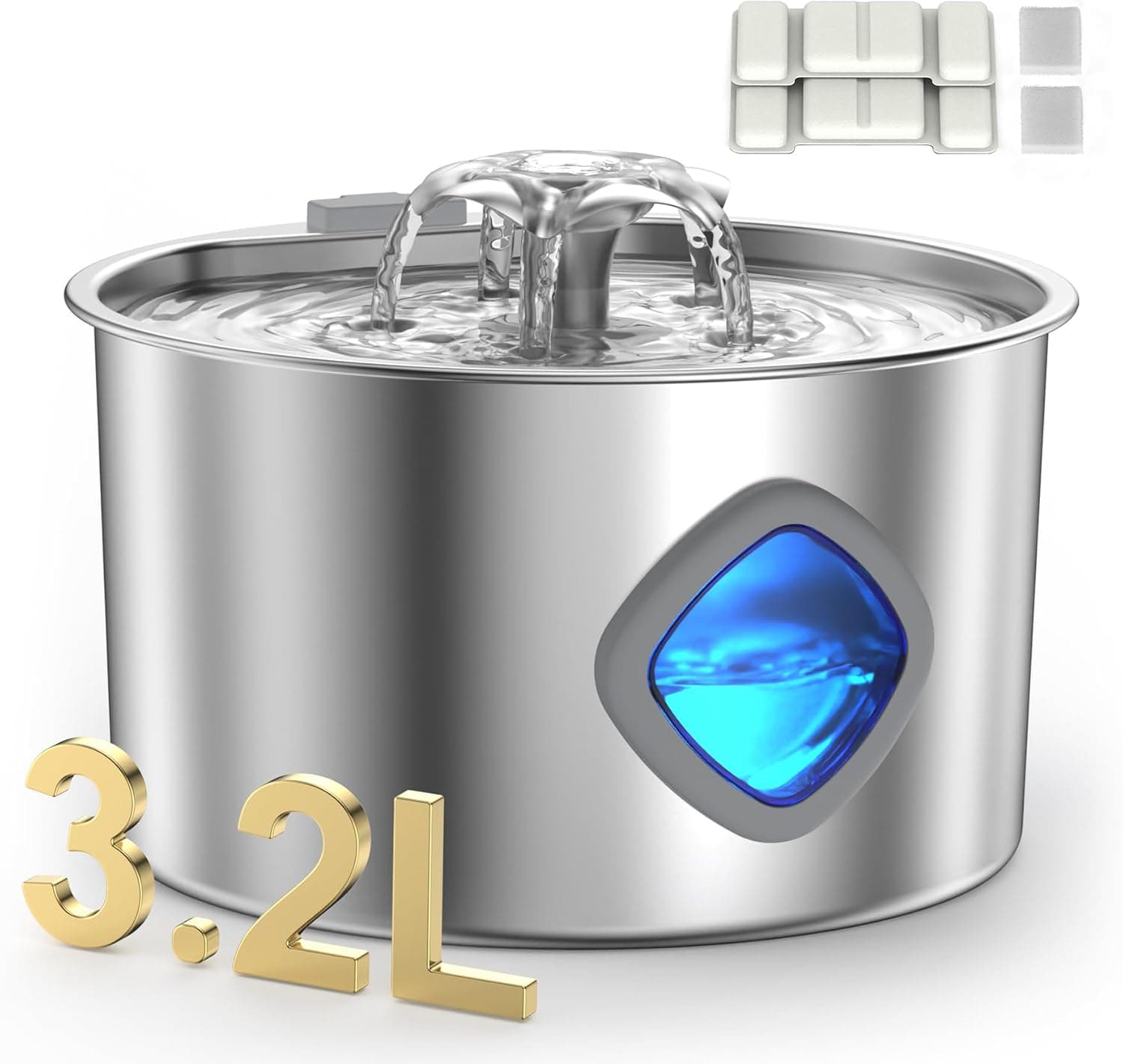
+ Water level window shows when to refill without lifting the lid
From our guide: Best Cat Water Fountains for Apartments (2026 Buyer Guide)
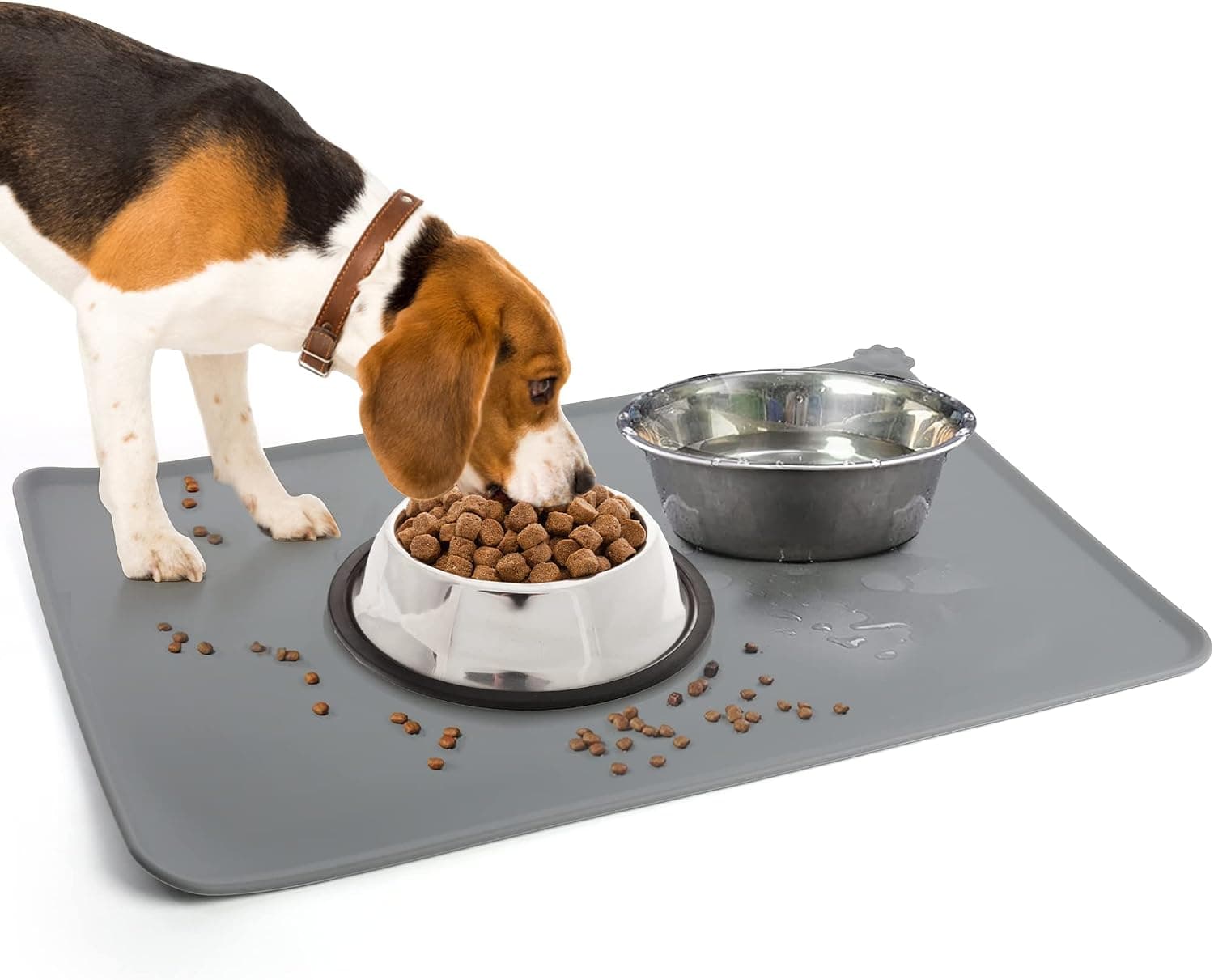
+ 24 by 16 inch size fits two bowls with space for spills
From our guide: Best Cat Food Mats for Apartments
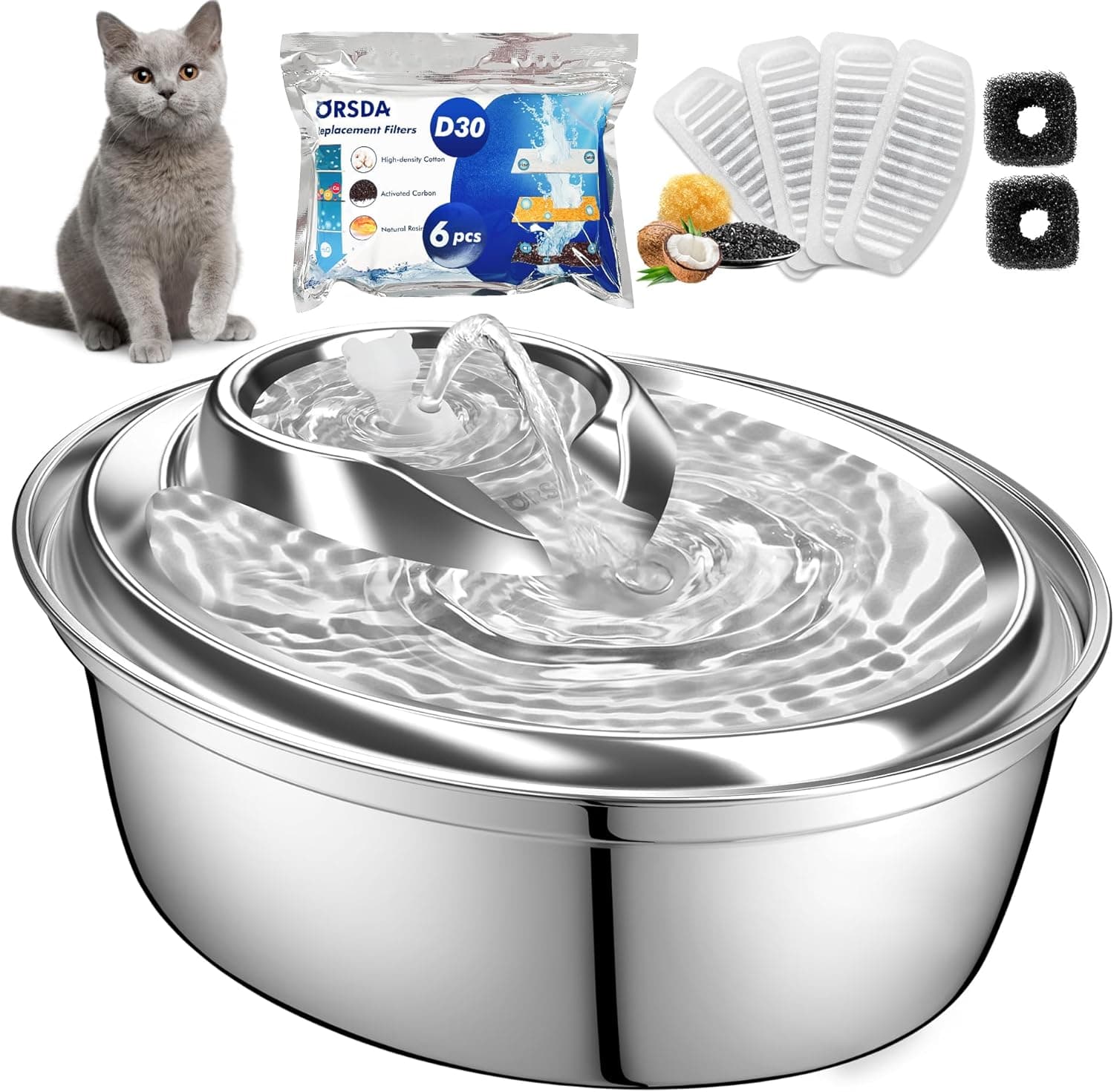
+ 6 filters included cover several months of changes
From our guide: Best Cat Water Fountains for Apartments (2026 Buyer Guide)
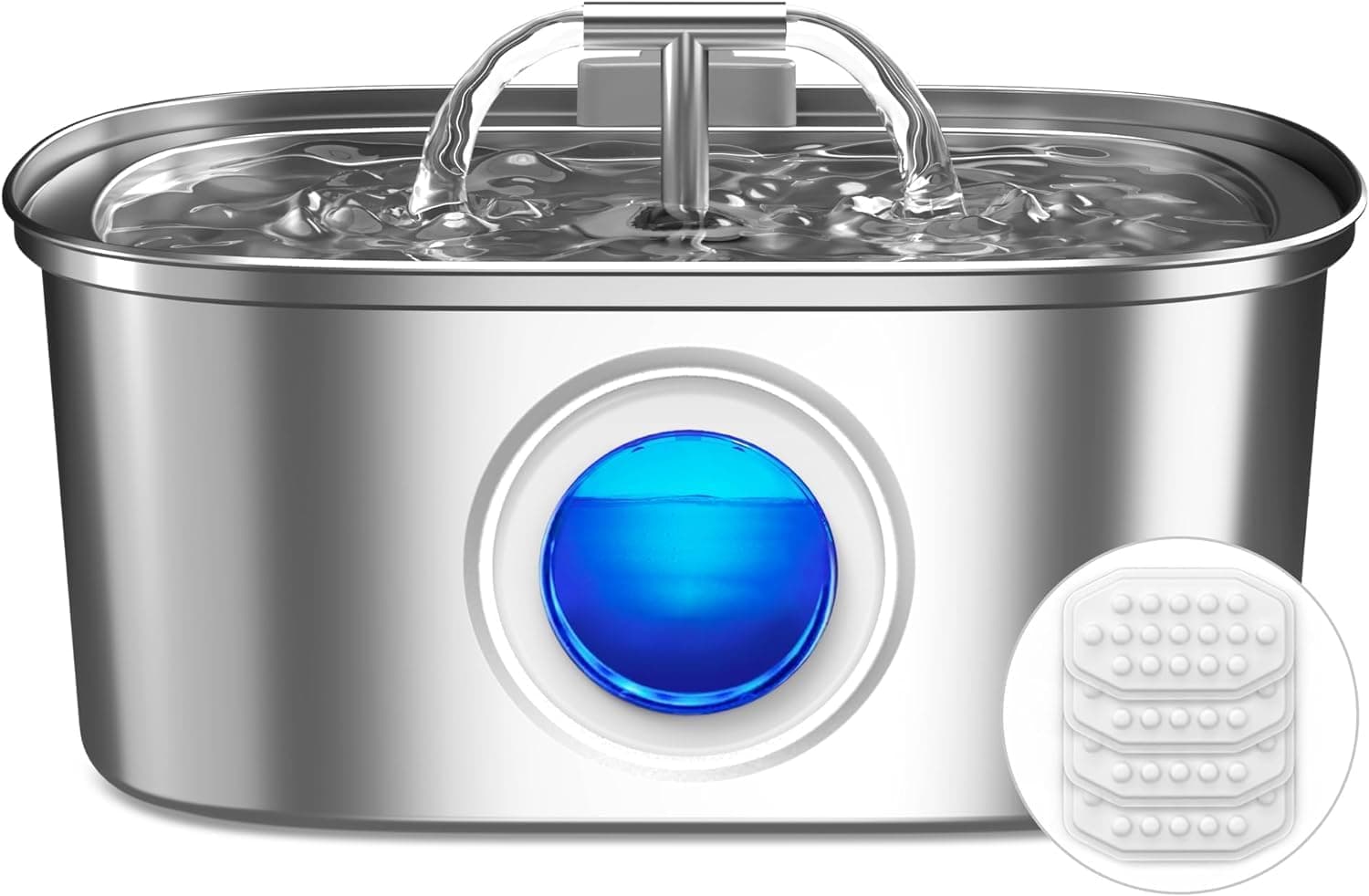
+ 108oz capacity suits multi-cat homes or a small dog
From our guide: Best Large Pet Water Fountains for Multi-Pet Homes
Popular right now
- Best Pet Odor Eliminators for Apartments (2026 Guide)Buying guide
- Pheromone diffuser explainedGlossary
- Best Automatic Litter Boxes for Small ApartmentsBuying guide
- Best Dog Puzzle ToysBuying guide
- Best Pet Gates for Apartments and RentersBuying guide
- Best Enclosed Litter Boxes for Apartments (2026 Guide)Buying guide
Based on the last 28 days of search and visitor data.