Controlling Pet Odor in an Apartment Without Masking It
Published How we research
Pet odor in an apartment builds slowly, and because you live inside it you are often the last to notice. Visitors, though, catch it the moment they step through the door. The trick is not to layer fragrance over the problem but to remove the sources, because masking smells with sprays and candles only creates a muddled scent that still reads as pet. A small space has less air volume to dilute odors, so every source counts more than it would in a large house.
Products from this article
The highest-scoring picks from the buying guides this article links to. Scores are our editorial assessment, not customer ratings.
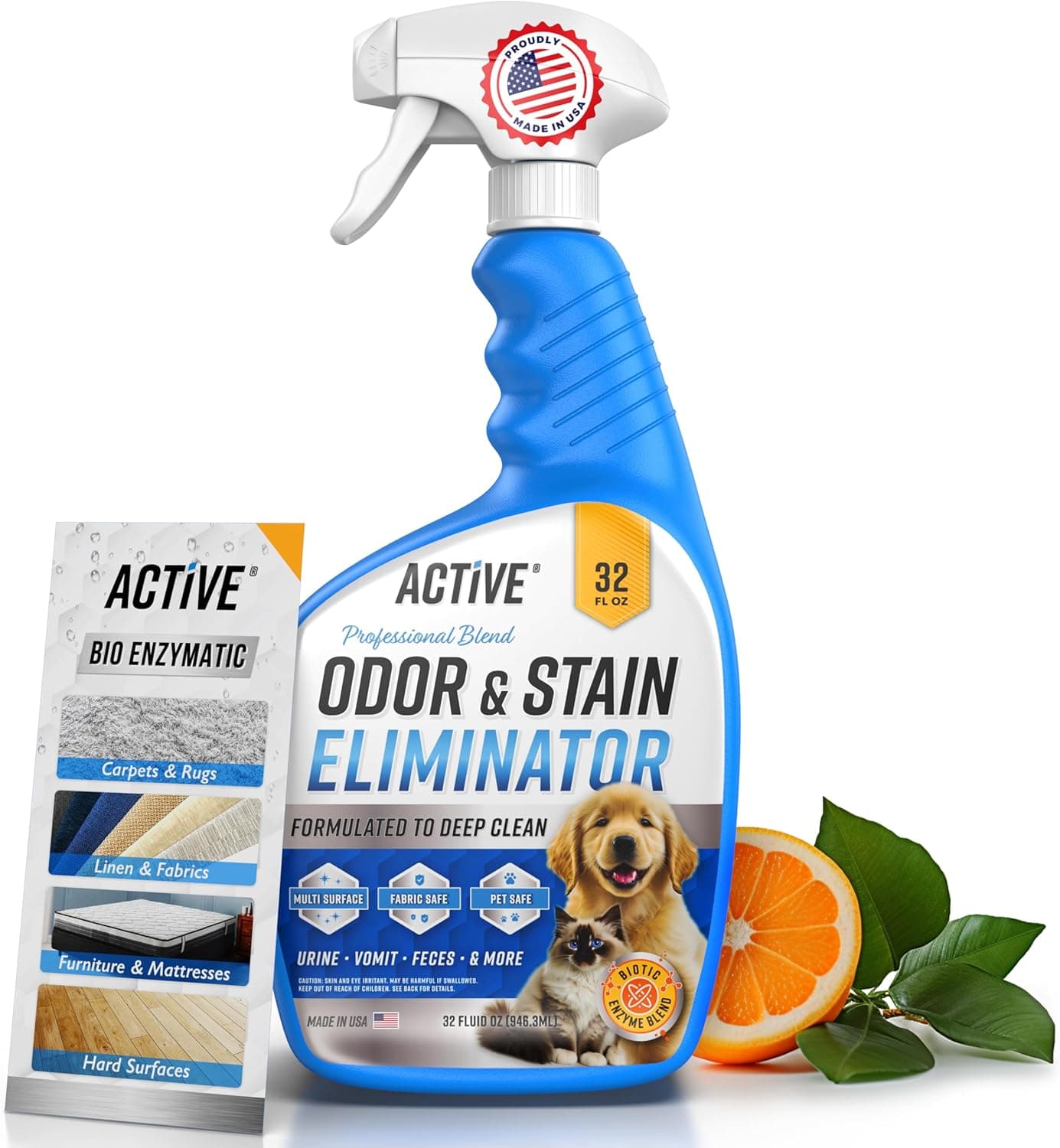
+ Enzyme formula breaks down urine rather than masking the smell
From our guide: Best Pet Odor Eliminators for Apartments (2026 Guide)
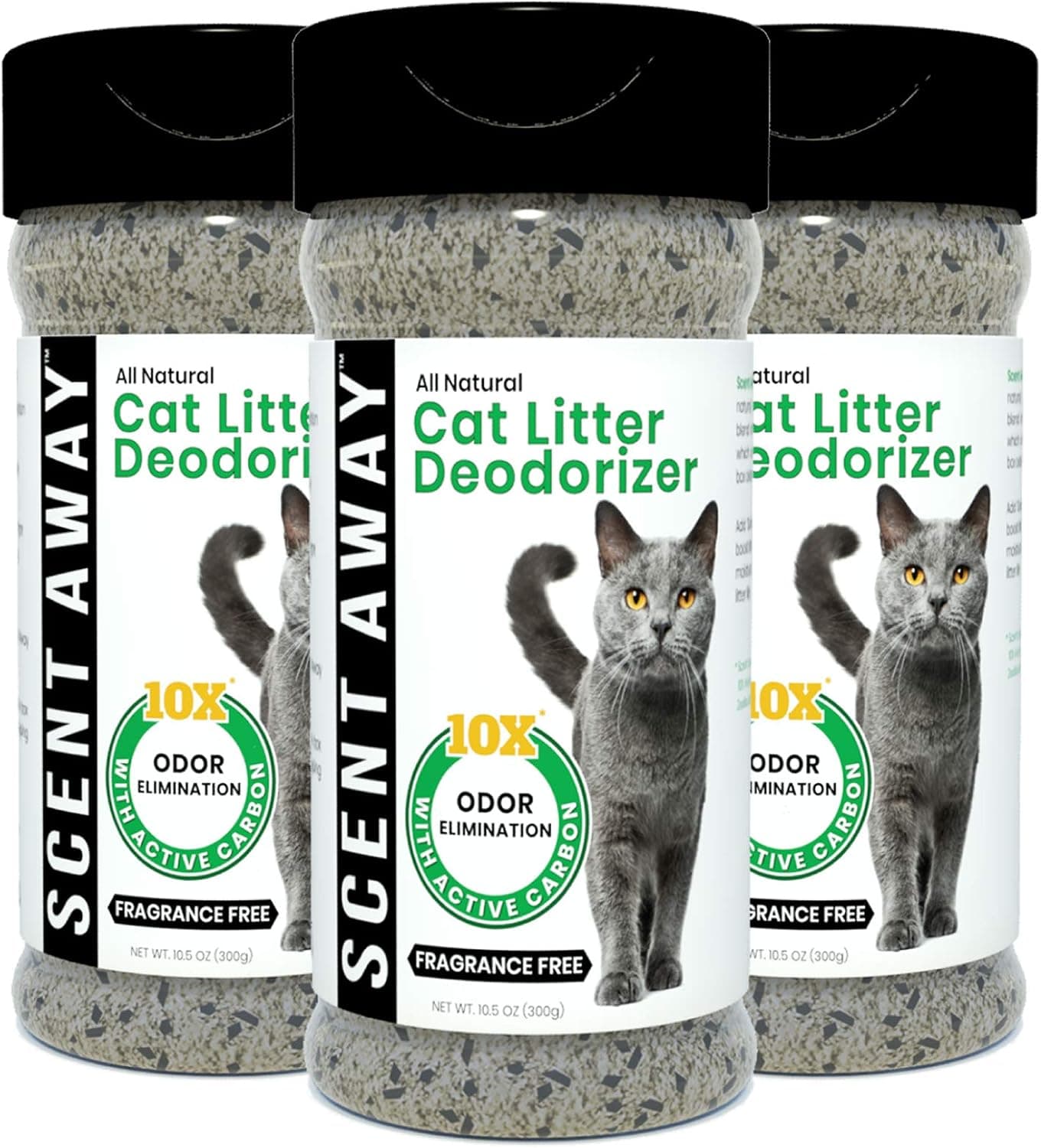
+ Active carbon absorbs odors without added scent
From our guide: Best Cat Litter Deodorizers for Odor Control
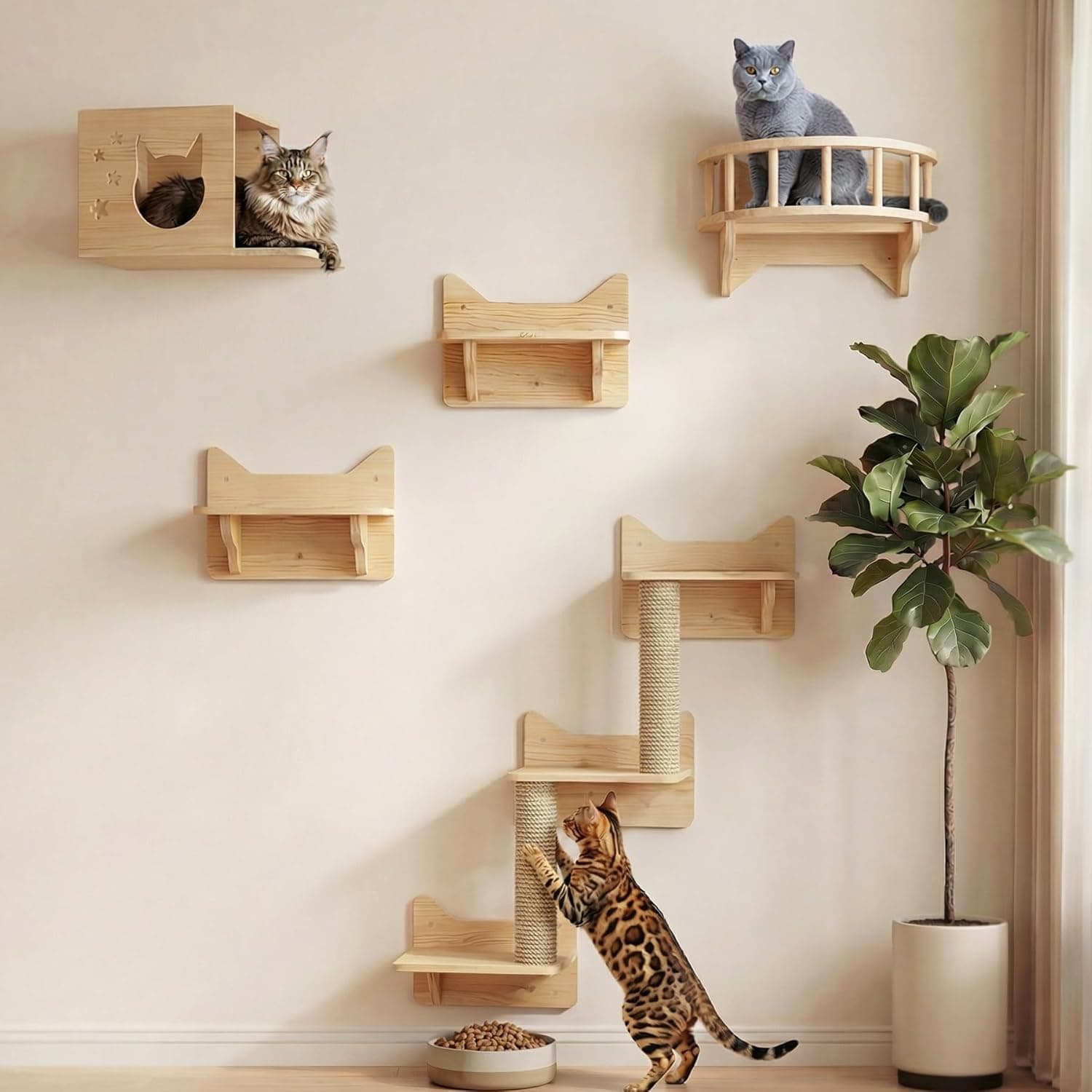
+ Pitched at large cats, so platforms are sized for bigger bodies
From our guide: Best Cat Wall Shelves
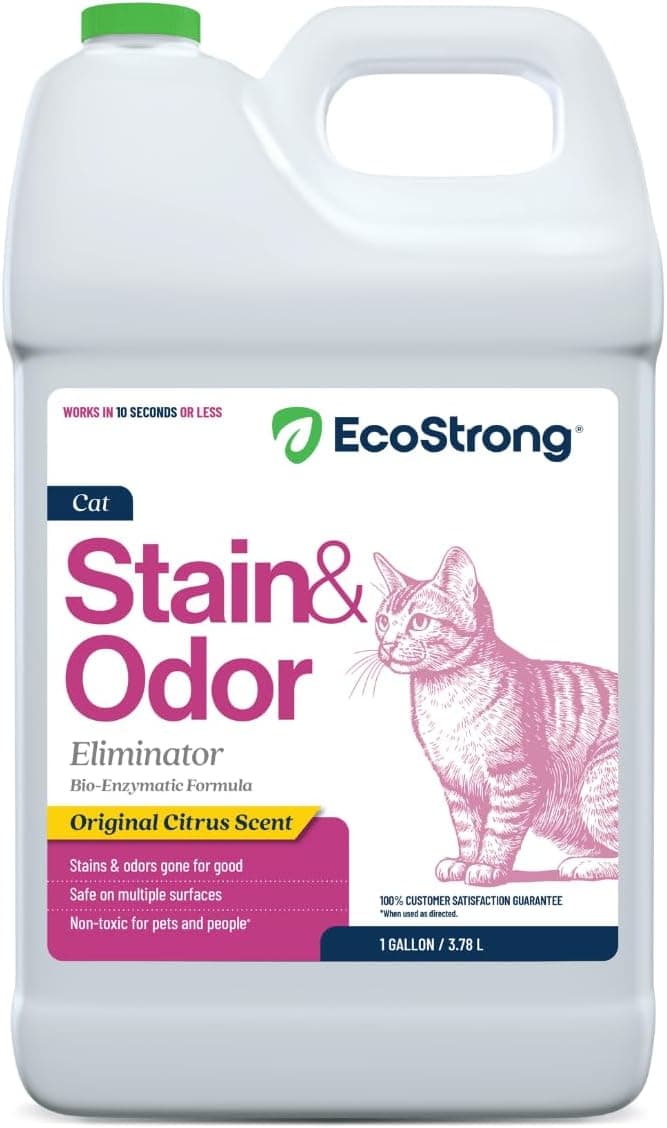
+ Gallon size lowers the cost per use for frequent accidents
From our guide: Best Pet Odor Eliminators for Apartments (2026 Guide)
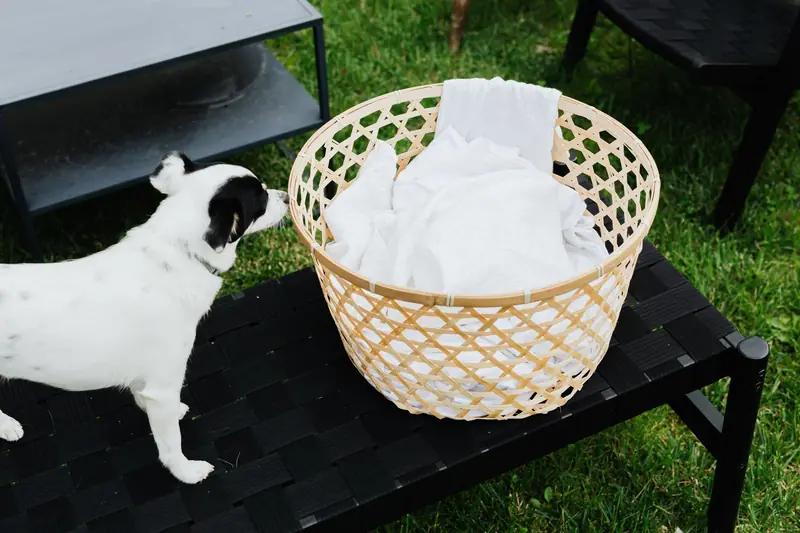
Start by identifying where odor actually originates. The usual culprits are litter boxes, food and water bowls, bedding, soft furniture, and the pet itself. Bowls develop a sour film if not washed daily, and damp food residue smells surprisingly strong in a confined kitchen. Wash bowls with hot soapy water every day, the same way you would your own dishes, and wipe down the feeding area to catch splashes and dropped kibble that decay under furniture.
Fabric holds odor more stubbornly than any hard surface, and apartments are full of it. Pet beds, blankets, couch cushions, and rugs absorb oils from skin and paws over time. Wash removable covers weekly and machine-wash pet bedding on a hot cycle. For upholstery you cannot remove, an enzymatic cleaner breaks down the organic compounds that cause odor rather than covering them, which is the difference between a genuine fix and a temporary improvement. Sprinkling baking soda on fabric, letting it sit, then vacuuming it up pulls out embedded smells cheaply.
Airflow does heavy lifting in a small home. Stagnant air lets odor settle into every soft surface, so open windows daily even for a few minutes, especially after cleaning the litter box or feeding. A quiet air purifier with a carbon filter genuinely helps in an apartment because it processes the same small volume of air repeatedly. Position it near the odor source rather than in the center of the room for the best effect, and keep the filter fresh, since a saturated filter stops working.
The pet's own coat contributes more than people realize. Regular brushing removes loose fur and the oils that carry a doggy smell, and it keeps that fur off your furniture in the first place. Dogs benefit from a bath every few weeks, though over-bathing dries the skin and can worsen odor, so find a rhythm that suits your specific animal. Wiping paws after walks keeps outdoor grime from tracking a musty smell across your floors and rugs.
Do not overlook the hidden reservoirs. Carpet padding, the underside of a couch, the crevices of a cat tree, and the corner where a dog always lies can all become scent traps. Deep-clean these periodically with a targeted enzymatic treatment. Trash matters too: a dedicated, lidded bin for pet waste, emptied frequently, prevents the kitchen or bathroom from becoming a background source you have grown numb to.
Controlling odor is ultimately about consistency rather than intensity. A short daily routine of washing bowls, scooping litter, and airing the space, paired with weekly fabric care, keeps a small apartment smelling clean without a single scented candle. When you do want a pleasant note, reach for it only after the space is genuinely clean, so the fragrance complements a fresh room instead of hiding a stale one.
Popular right now
- Best Enclosed Litter Boxes for Apartments (2026 Guide)Buying guide
- Crate training explainedGlossary
- How to Handle Dog Barking Complaints in an ApartmentArticle
- Best Pet Odor Eliminators for Apartments (2026 Guide)Buying guide
- Litter Box Placement Ideas for Small ApartmentsArticle
- Best Cat Scratching Posts for Apartments (2026 Buyer Guide)Buying guide
Based on the last 28 days of search and visitor data.