Crate Training in an Apartment
Published How we research
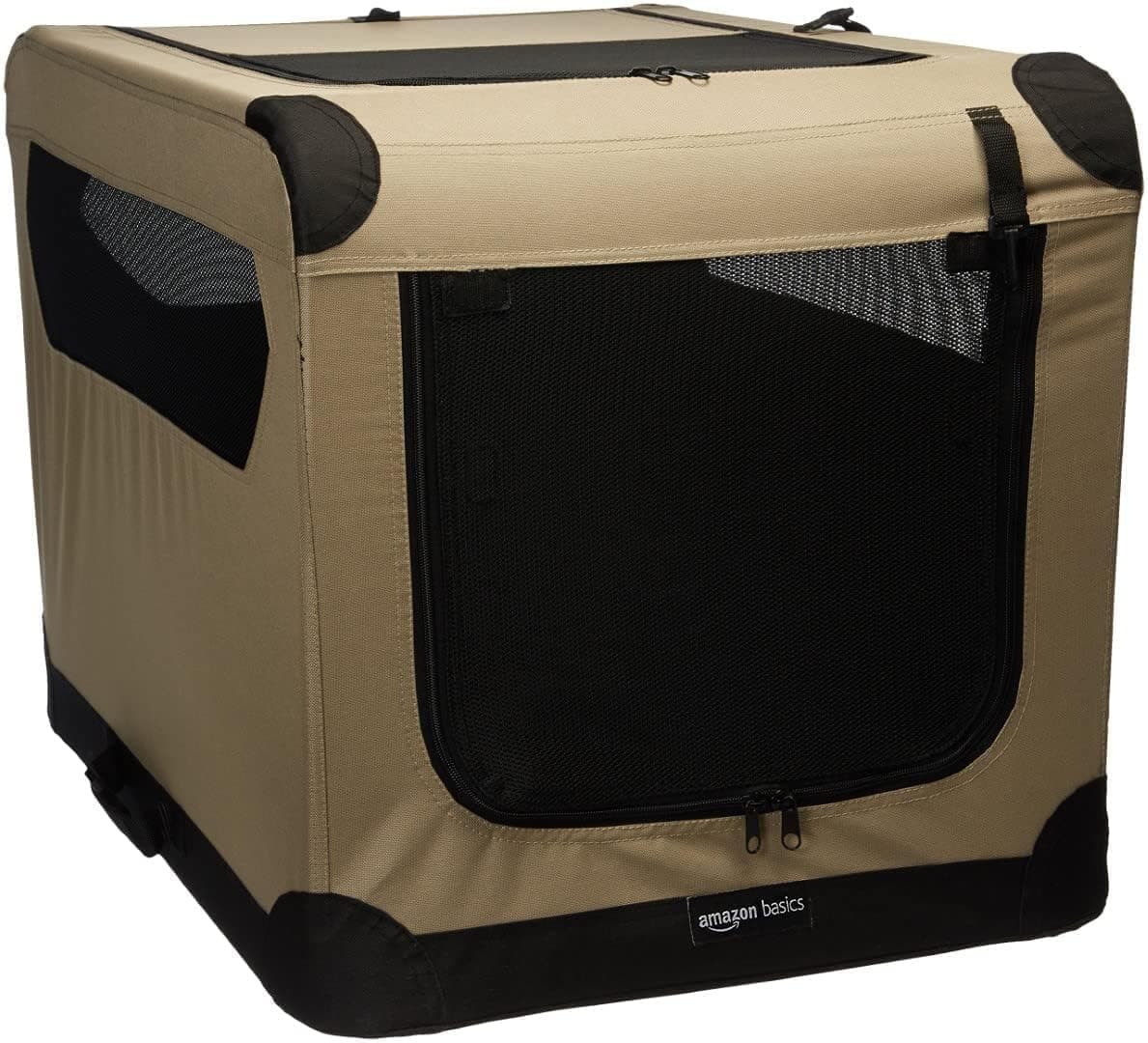
Crate training in an apartment carries an extra layer of challenge because a whining or barking dog in a crate is not just your problem, it is your neighbors' problem too. Done well, though, crate training is one of the kindest things you can offer an apartment dog. A crate becomes a den, a safe retreat in an environment full of unfamiliar sounds from hallways, elevators, and adjacent units. The key is to build positive associations slowly so the crate feels like a refuge rather than a punishment, which is what prevents the noise that troubles shared walls.
Products from this article
The highest-scoring picks from the buying guides this article links to. Scores are our editorial assessment, not customer ratings.
+ Front door plus a side door that can be installed on the left or the right to suit the room layout
From our guide: Best Dog Crates for Apartments (2026 Buyer Guide)
+ 18 in length fits many airline under-seat allowances
From our guide: Best Dog Carriers
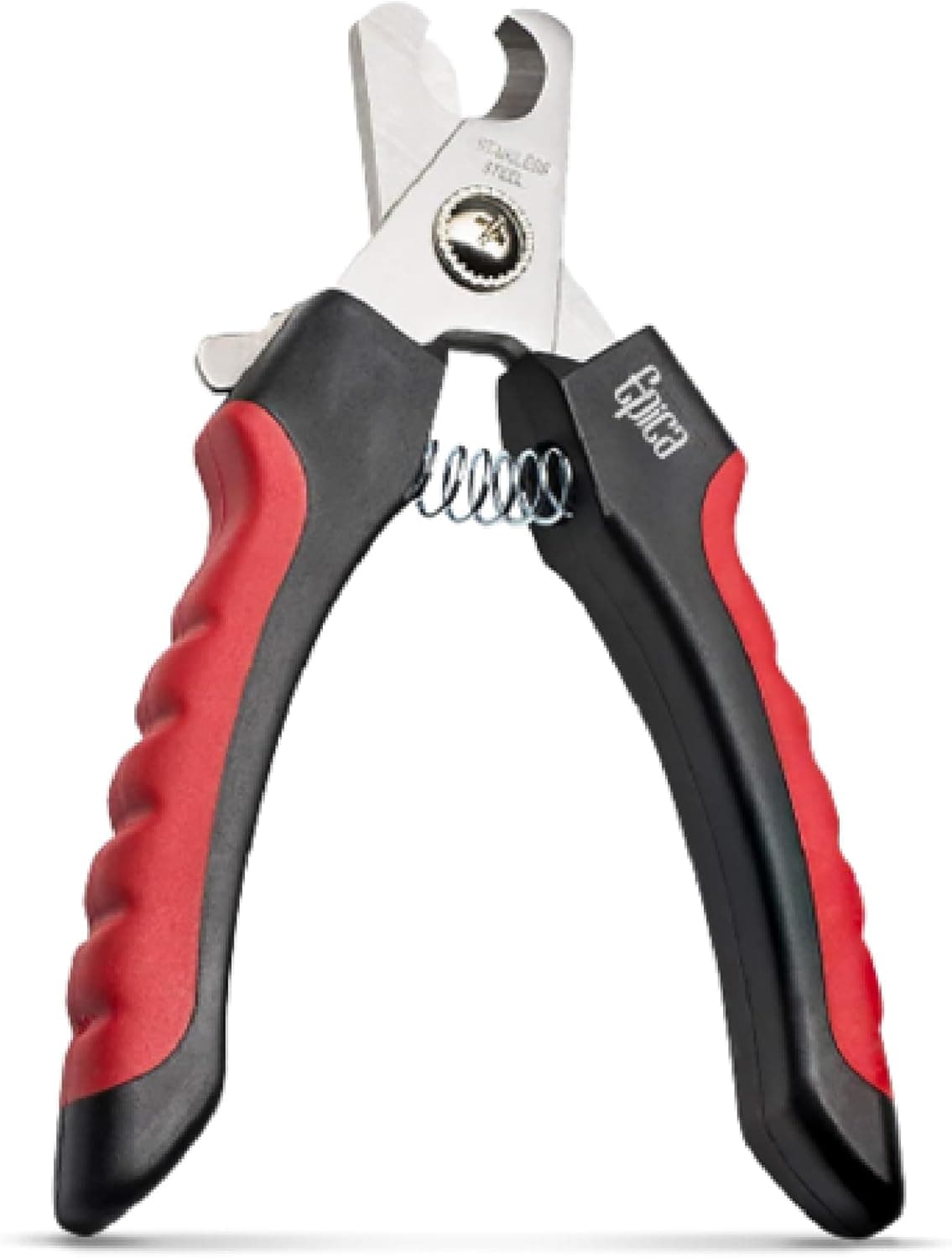
+ Safety guard limits how much nail goes past the blade
From our guide: Best Pet Nail Clippers for Apartments
+ Two large drawers under the top keep food, treats, toys and leashes out of sight
From our guide: Best Dog Crates for Apartments (2026 Buyer Guide)
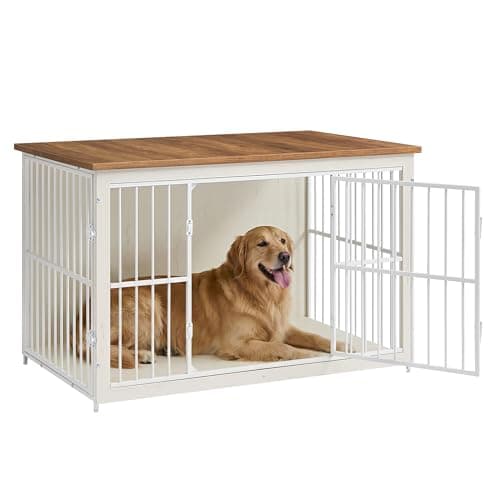
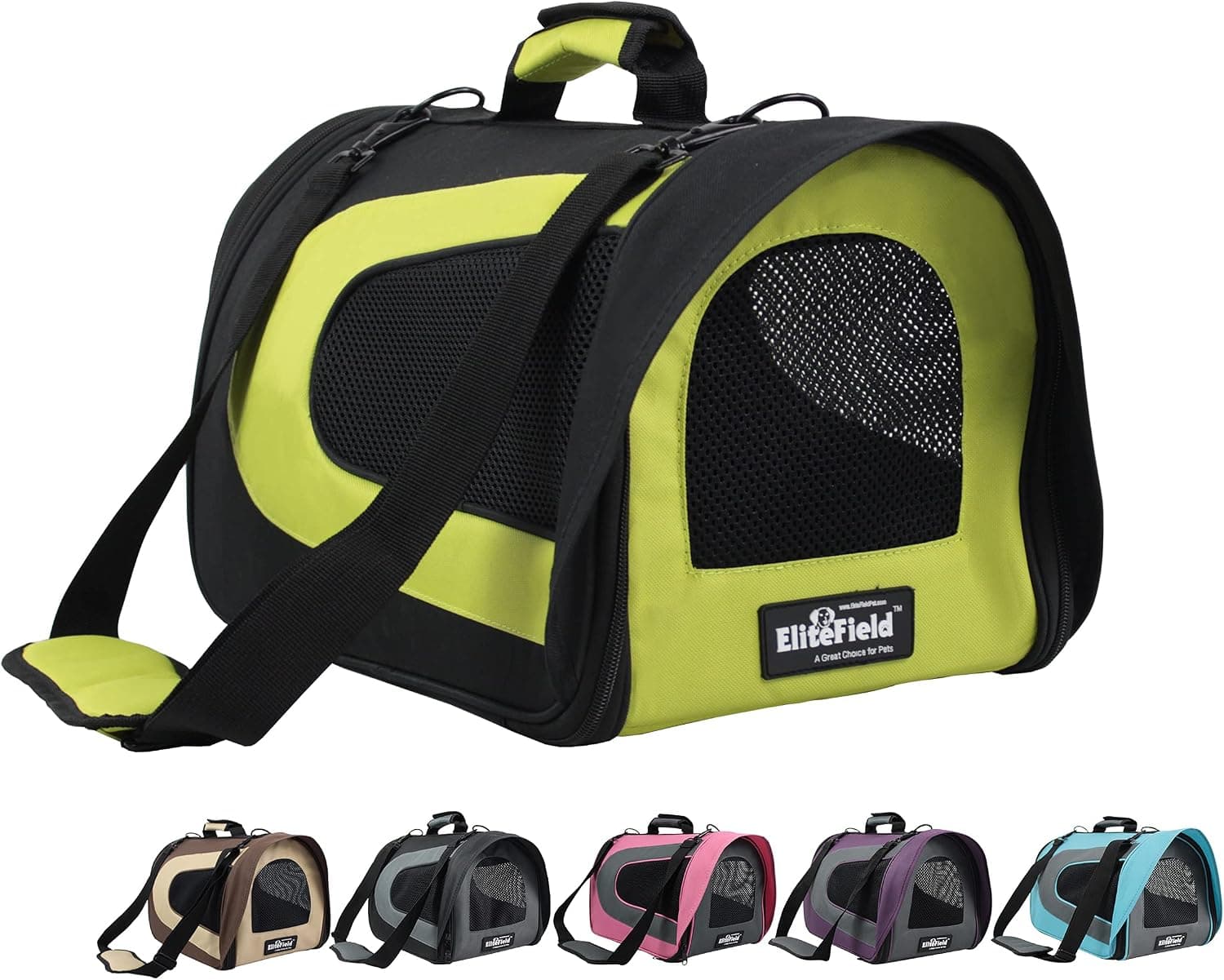
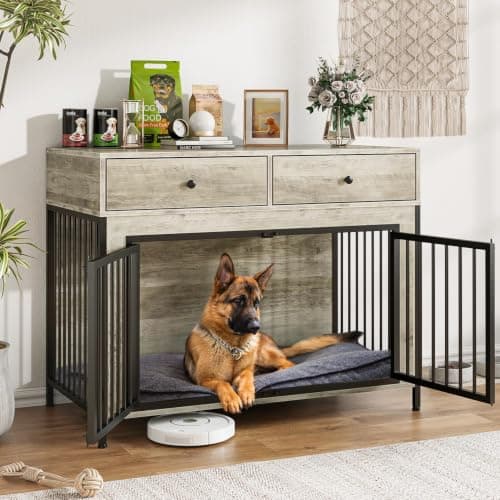
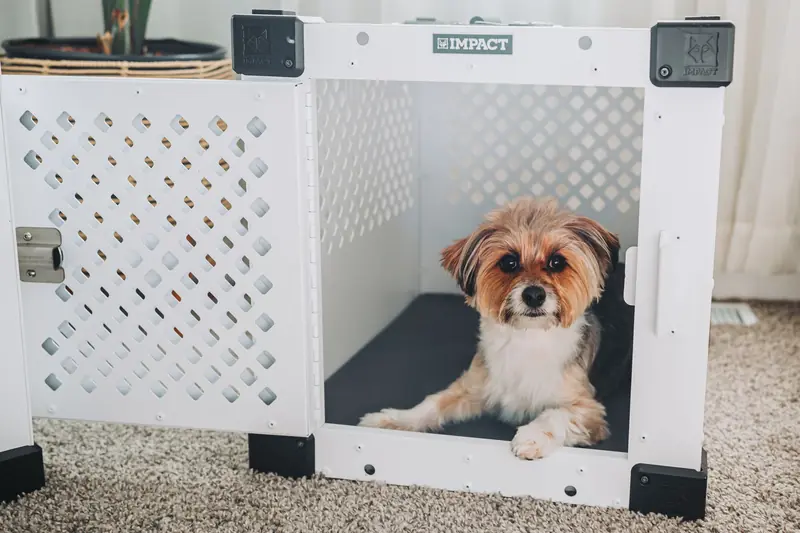
Choosing and placing the crate comes first. It should be large enough for your dog to stand, turn around, and lie down comfortably, but not so cavernous that it loses the cozy, den-like quality that makes dogs feel secure. In a small apartment, tuck the crate into a quiet corner away from the front door and foot traffic, ideally somewhere the dog can still sense your presence during the early stages. A crate cover or a blanket draped over the top deepens the den feeling and muffles some of the visual stimulation that might otherwise trigger barking.
Introduce the crate as something wonderful before you ever close the door. Leave it open and toss treats or a favorite toy inside so the dog wanders in freely and learns that good things happen there. Feed meals in the crate to cement the positive link. Let the dog come and go at will for several days, never forcing entry, until stepping inside is completely relaxed. Rushing this stage is the most common mistake, and it plants the anxiety that later erupts as noise.
Building duration is a gradual process measured in small increments. Once your dog enters happily, close the door for a few seconds while it eats, then open it again before any distress appears. Extend the closed time slowly over days, staying in the room at first, then stepping away briefly, always returning before the dog panics. The goal is for the dog to remain calm the entire time, so you are working just below the threshold where whining begins. If barking starts, you have moved too fast and should shorten the next session.
Managing the apartment-specific noise risk requires patience and timing. Never let the dog out while it is barking or whining, because that teaches noise as the way to earn freedom, a lesson your neighbors will pay for. Instead, wait for a pause, even a brief one, and release during the quiet. Tiring the dog with exercise before crating makes calm far easier, since a physically satisfied dog settles quickly. A stuffed chew toy given at crating time occupies the dog and turns the crate into a place of enjoyable focus.
Night-time and departures are the two situations where apartment crate training pays off most. At night, a crate beside your bed lets a new dog feel your presence while learning to sleep independently, and you can gradually move it if desired. For departures, keep arrivals and goodbyes low-key so leaving feels unremarkable rather than distressing. Build up alone time in the crate in short absences before attempting a full workday, and consider a camera to check whether your dog truly settles once you are gone.
A well-crate-trained apartment dog is a quiet, secure dog, which protects both its welfare and your standing with neighbors. Go slowly, keep every association positive, and never use the crate as a place of punishment. The investment of a few patient weeks produces a dog that walks into its crate willingly, rests calmly through the night and the workday, and treats that small enclosed space as the safest spot in a busy building.
Popular right now
- Best Enclosed Litter Boxes for Apartments (2026 Guide)Buying guide
- Crate training explainedGlossary
- How to Handle Dog Barking Complaints in an ApartmentArticle
- Best Pet Odor Eliminators for Apartments (2026 Guide)Buying guide
- Litter Box Placement Ideas for Small ApartmentsArticle
- Best Cat Scratching Posts for Apartments (2026 Buyer Guide)Buying guide
Based on the last 28 days of search and visitor data.