Feeding Station Setup for Small Kitchens and Tight Corners
Published How we research
A pet feeding station seems trivial until you try to fit one into a kitchen that barely has room for your own dishes. In a small apartment, the feeding area competes with the space where you cook, store food, and move around, and a poorly placed set of bowls quickly becomes something you kick, trip over, or splash while doing your own chores. A little planning turns feeding time into a tidy, contained ritual rather than a source of daily friction in an already cramped room.
Products from this article
The highest-scoring picks from the buying guides this article links to. Scores are our editorial assessment, not customer ratings.
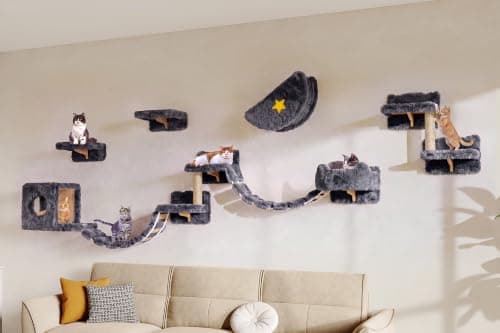
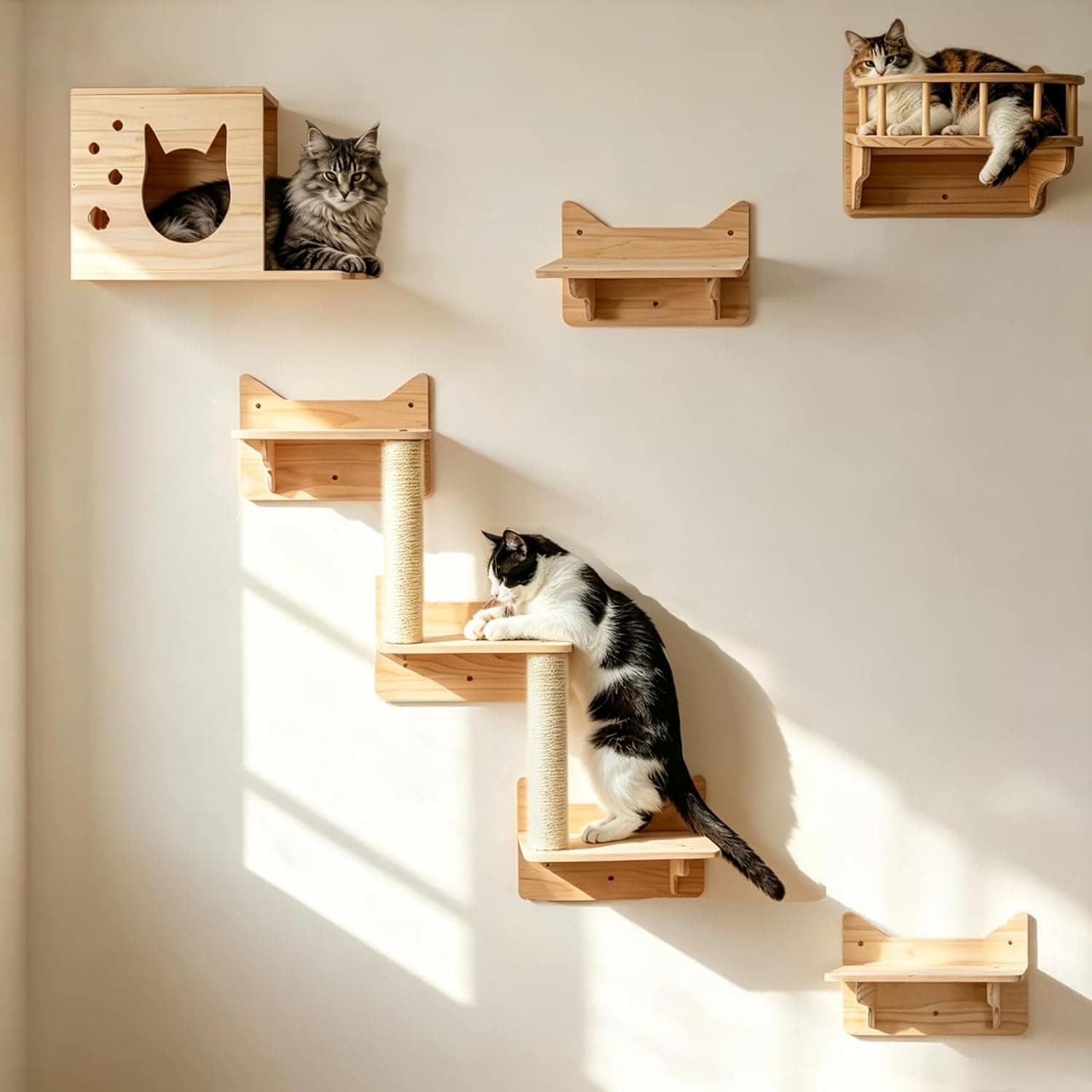
+ Pitched at large cats, so platforms are sized for bigger bodies
From our guide: Best Cat Wall Shelves
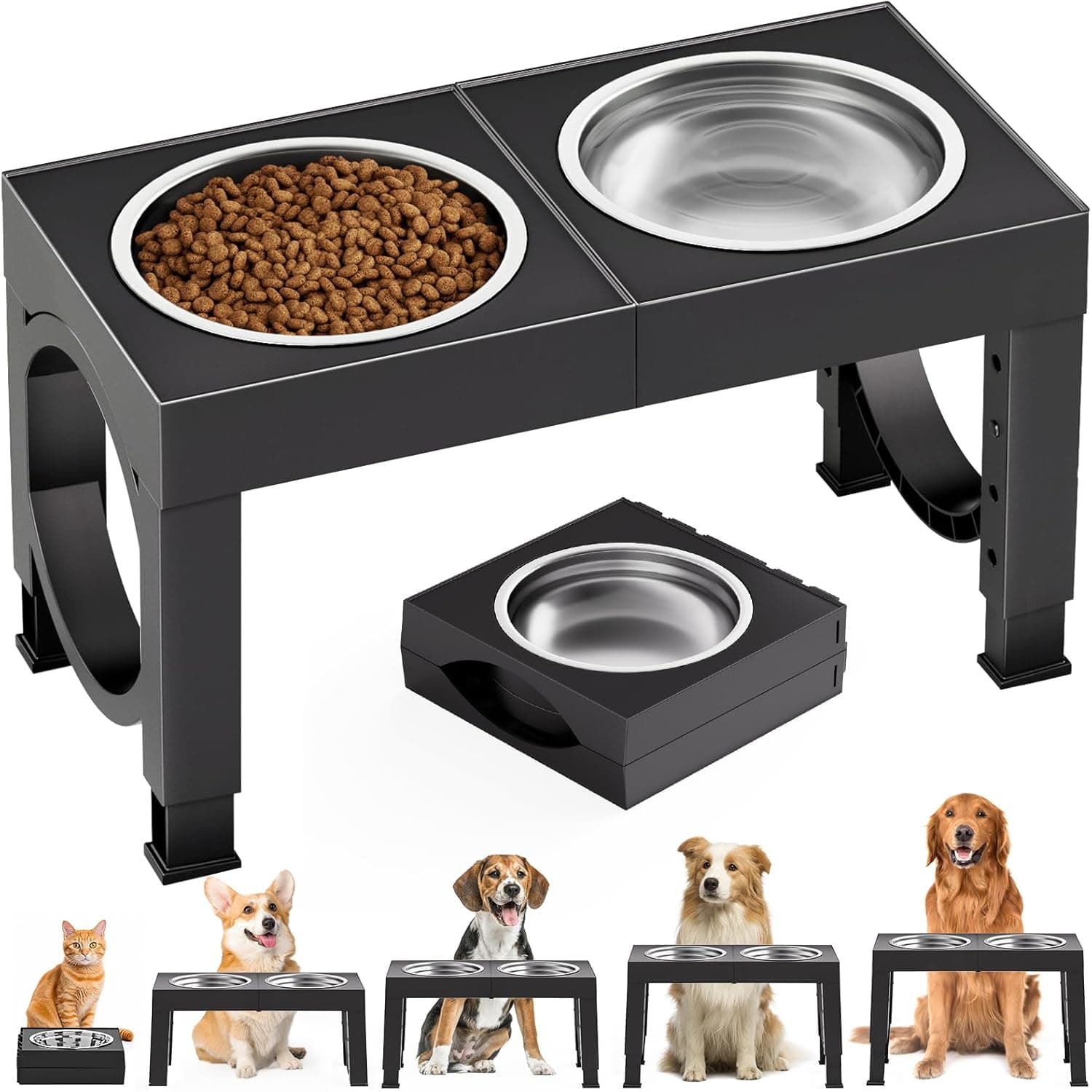
+ 5 height settings let the stand grow with a puppy
From our guide: Best Elevated Dog Bowls for Small Spaces
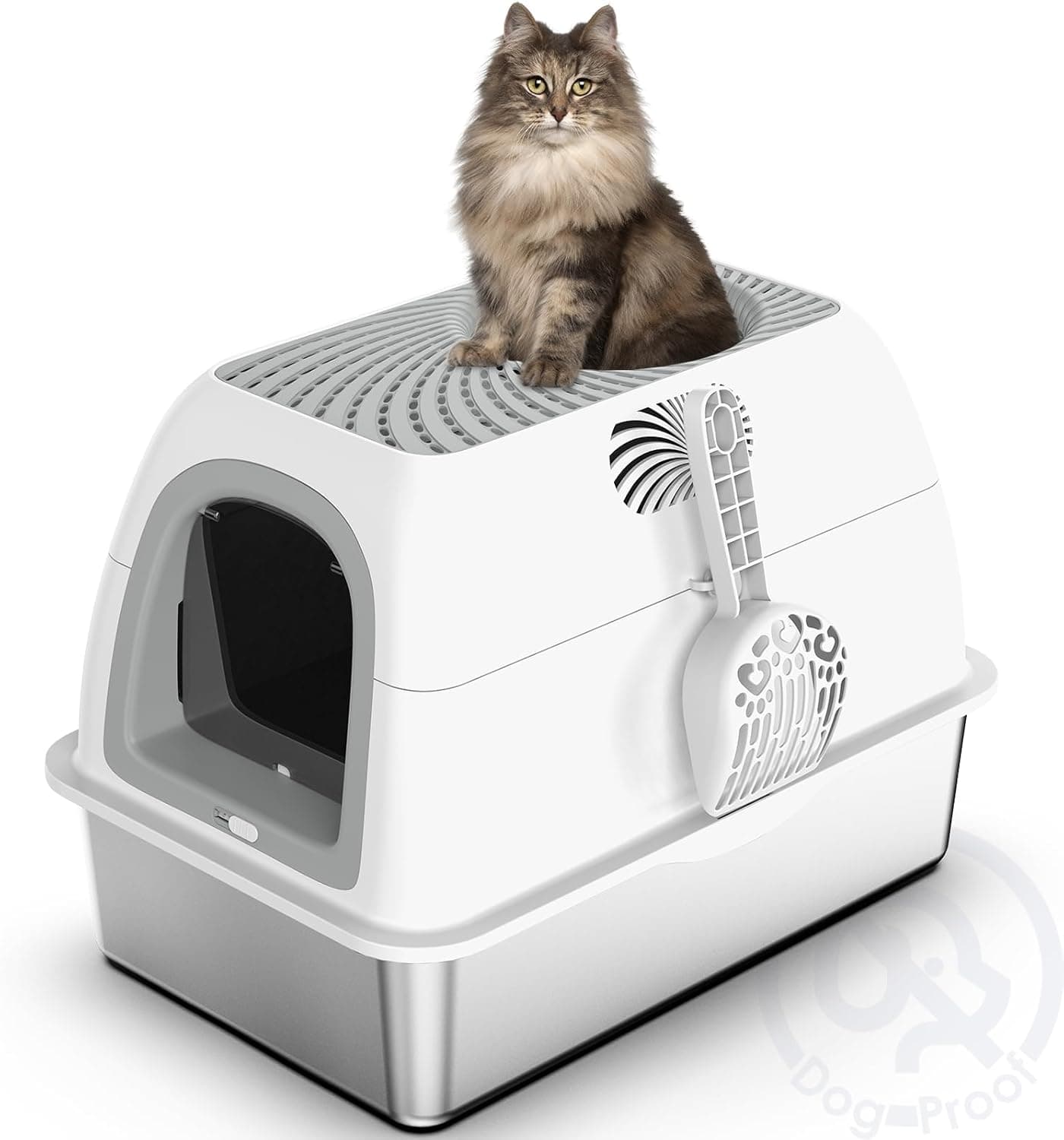
+ Stainless steel pan resists scratches that trap urine odor
From our guide: Best Top-Entry Litter Boxes for Apartments
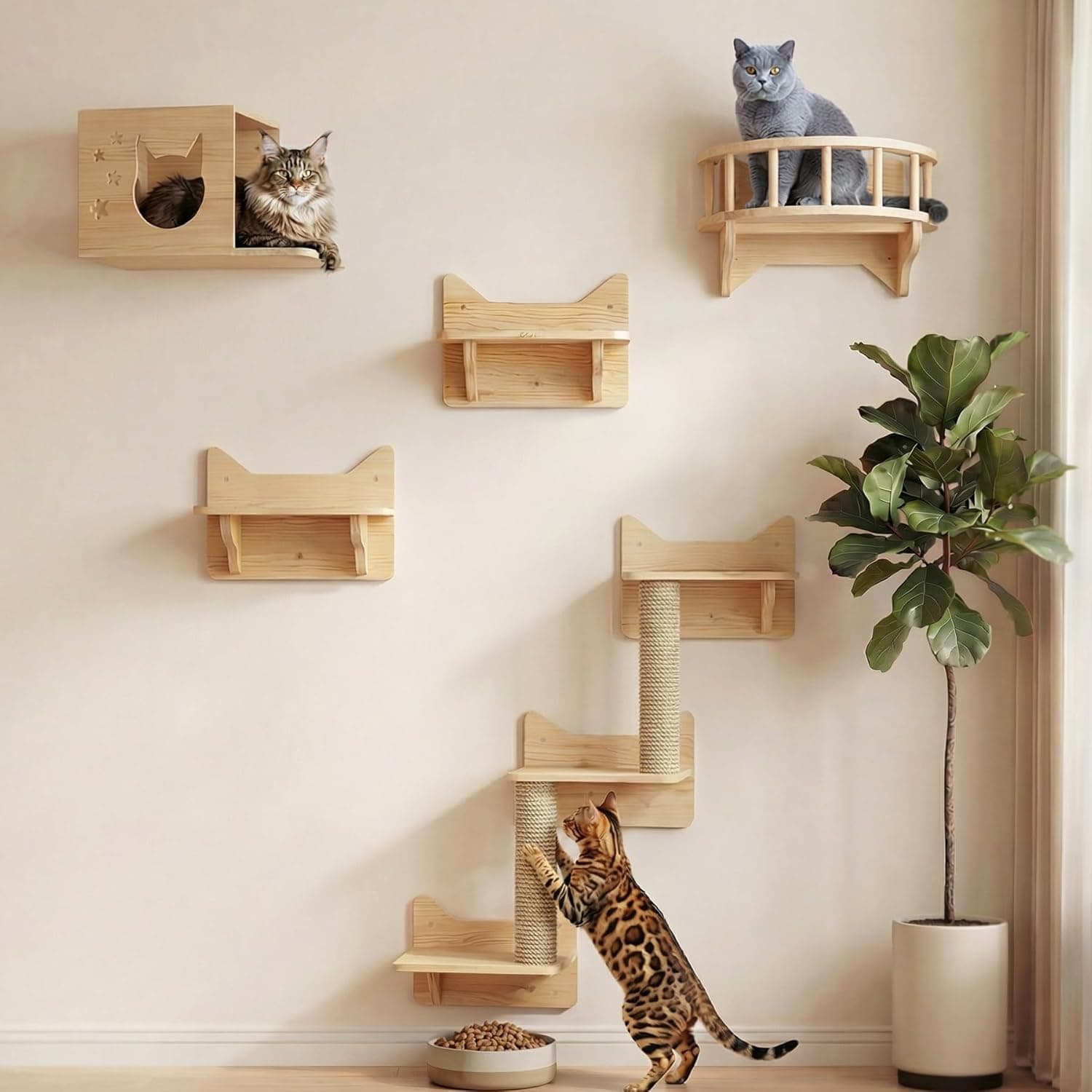
+ Wall house gives cats an enclosed hideaway up off the floor
From our guide: Best Cat Wall Shelves
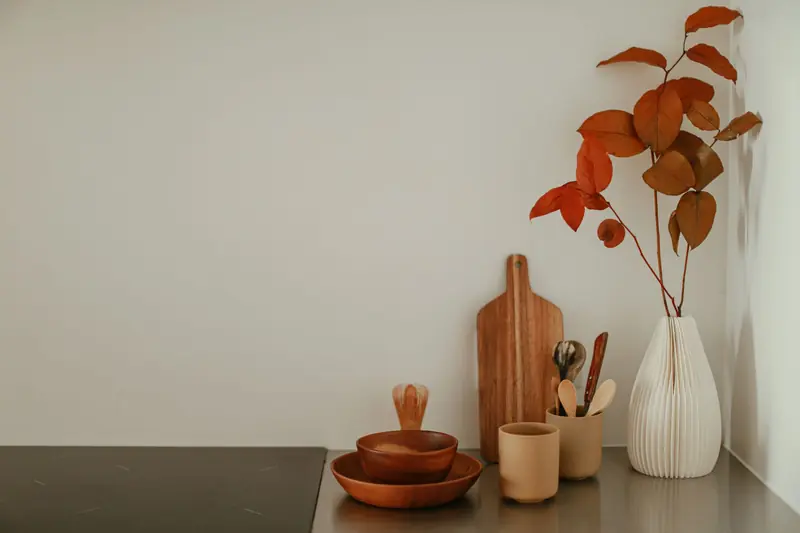
Location is the first decision, and it involves balancing convenience against traffic. Bowls need to be somewhere your pet feels calm enough to eat, which means out of the main walkway but not banished to a spot that feels isolated or unsafe. A corner of the kitchen, the end of a counter run, or a nook beside the refrigerator often works, keeping the station clear of the stove and sink where you need room to work. For cats, remember that many prefer their food away from their litter box and from noisy appliances, so a quiet corner beats a busy thoroughfare.
Containing spills protects a small kitchen from becoming a mess. A feeding mat under the bowls catches dropped kibble, splashed water, and the inevitable dribbles from a sloppy drinker, and it wipes clean in seconds. A raised mat with a lip contains water spills that would otherwise spread across the floor and under cabinets. This single item saves you from mopping the same patch daily and keeps stray food from decaying in corners, which matters even more when your kitchen and living space are essentially one room.
Storage of food and supplies is where small kitchens strain hardest, since a bag of kibble takes up room you do not have. An airtight container keeps food fresh, deters pests, and stacks more neatly than a floppy bag, and you can tuck a slim one into a lower cabinet or a pantry corner. A small scoop kept inside the container keeps portioning quick and consistent. If cabinet space is truly full, a container that doubles as a side table or fits under a bench turns dead space into storage without adding clutter to the counters.
Bowl choice affects both hygiene and footprint. Stainless steel or ceramic bowls resist bacteria far better than plastic, which scratches and harbors odor, and they are easy to wash daily as they should be. In a tight space, a compact double-bowl stand for food and water consolidates the station and prevents bowls from wandering across the floor. For cats prone to knocking water around, a small pet fountain in a corner keeps water fresh and can encourage drinking, though it needs a nearby outlet and regular cleaning.
Hygiene routines keep a small-kitchen station from becoming an odor source. Wash bowls with hot soapy water every day, the same as your own dishes, because leftover food and saliva sour quickly in a warm kitchen and the smell has nowhere to dissipate in a small home. Wipe the mat and the surrounding floor regularly, and store food sealed to avoid attracting insects. A tidy feeding area also discourages ants and pantry moths, which find spilled kibble irresistible in a compact space where food is always close at hand.
A good feeding station in a small kitchen is defined, contained, and easy to clean. Pick a calm corner out of the main flow, put down a wipeable mat, store food sealed in a slim airtight container, and use bowls you will actually wash every day. These modest choices keep feeding time neat and hygienic without sacrificing the limited space you need for your own life, and they spare you the daily annoyance of a messy, sprawling setup underfoot in the busiest room of the apartment.
Popular right now
- Best Enclosed Litter Boxes for Apartments (2026 Guide)Buying guide
- Crate training explainedGlossary
- How to Handle Dog Barking Complaints in an ApartmentArticle
- Best Pet Odor Eliminators for Apartments (2026 Guide)Buying guide
- Litter Box Placement Ideas for Small ApartmentsArticle
- Best Cat Scratching Posts for Apartments (2026 Buyer Guide)Buying guide
Based on the last 28 days of search and visitor data.