Keeping Indoor Cats Enriched in a Small Apartment
Published How we research

Play that mimics hunting, wand toys dragged like fleeing prey, is the heart of feline enrichment, with two short vigorous sessions daily doing more than a room full of unused toys. Puzzle feeders and hidden food turn mealtime into a foraging expedition. Rotate toys and introduce novel scents like cardboard boxes or outdoor objects to keep a static environment interesting. Window perches and vertical climbing space extend a small home outward and upward. Predictable routine and companionship, including a second cat if you're away often, address the emotional side. Enrichment is an ongoing practice, not a one-time purchase. An indoor cat in a small apartment is safe from cars, predators, and disease, but that safety comes at the cost of stimulation the outdoors would provide. Without deliberate enrichment, indoor cats grow bored, and boredom in cats shows up as overeating, over-grooming, aggression, or destructive scratching. The remedy is to bring the mental and physical challenges of a natural environment inside, which is entirely achievable even in a studio if you understand what a cat's brain actually craves.
Products from this article
The highest-scoring picks from the buying guides this article links to. Scores are our editorial assessment, not customer ratings.
+ Mouse on a flexible wire mimics real prey movement
From our guide: Best Cat Teaser Wands for Apartment Cats
+ Kicker shape suits cats who grab and bunny-kick toys
From our guide: Best Catnip Toys
+ Embroidered name and phone number cannot fall off like dangling tags
From our guide: Best Cat Collars for Apartment Cats
+ Replacement head is included, so the wand lasts longer
From our guide: Best Cat Teaser Wands for Apartment Cats
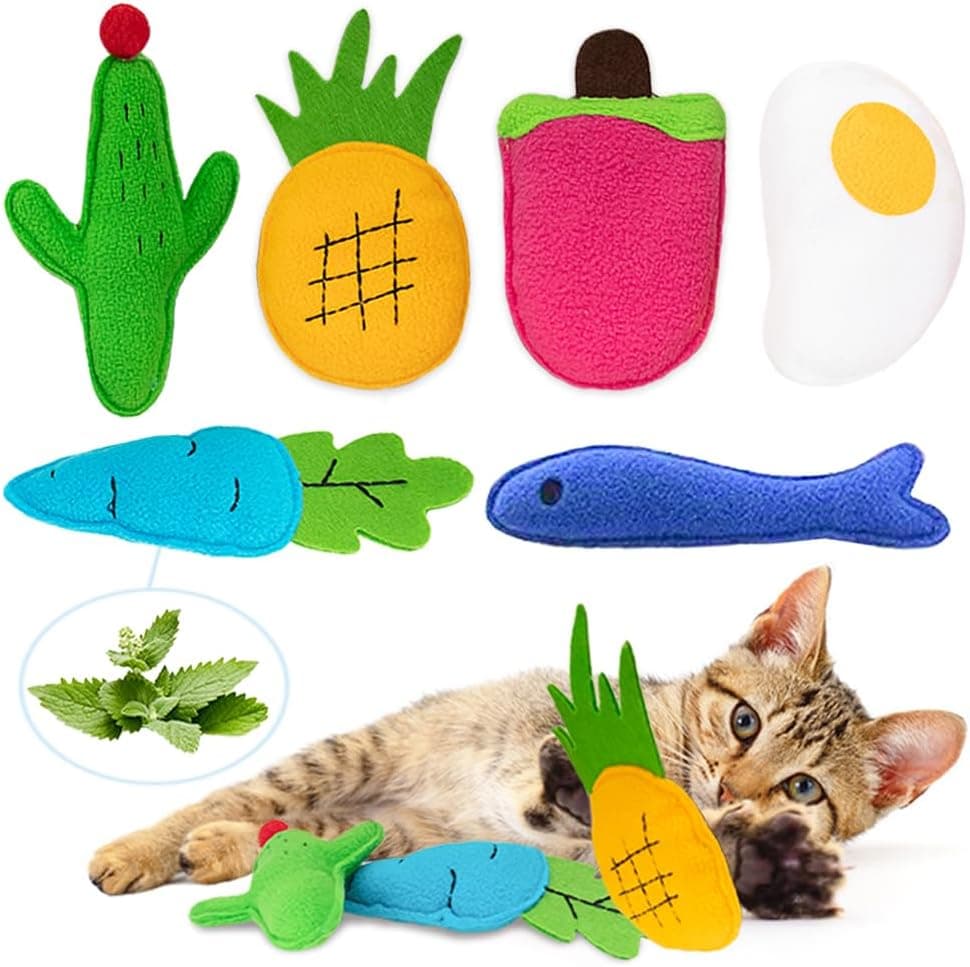

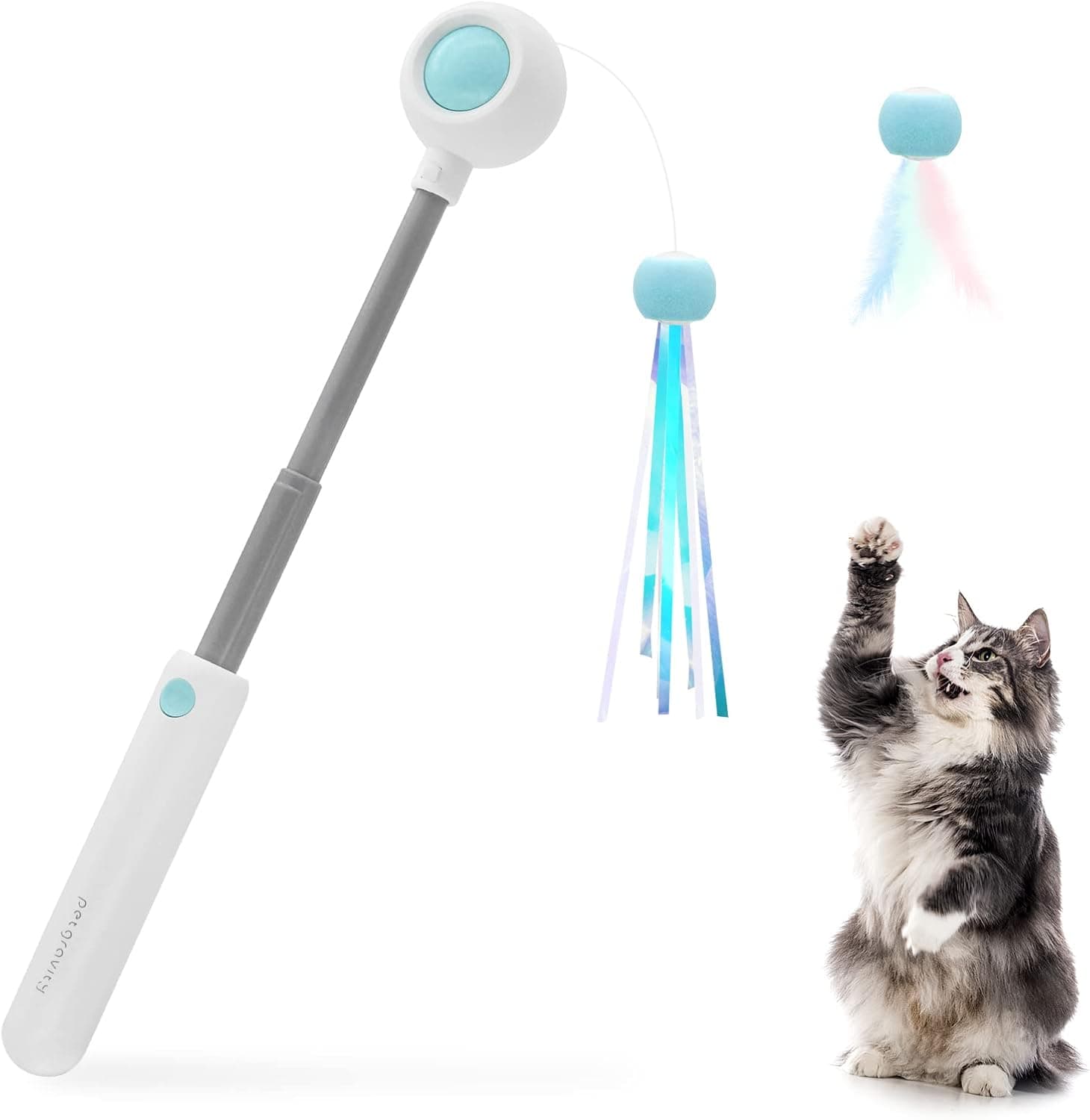
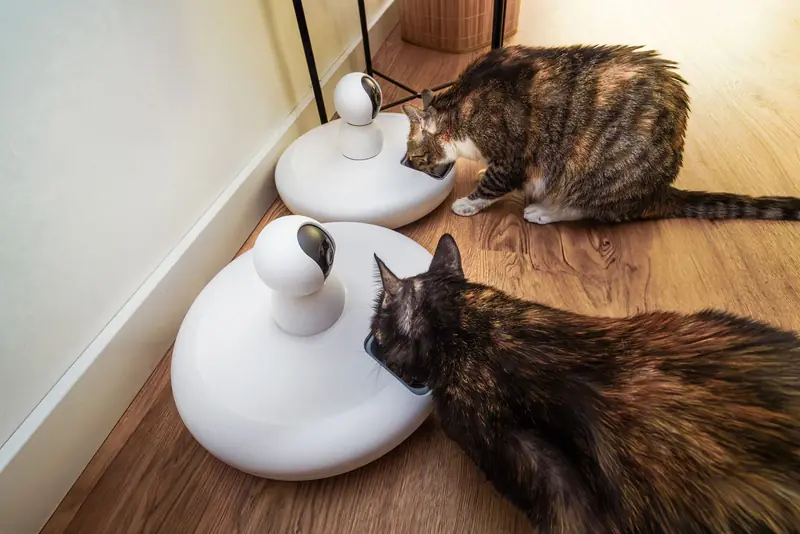
Play that mimics hunting is the heart of enrichment
Play that mimics hunting is the heart of feline enrichment. A cat's day in the wild would revolve around stalking, chasing, and pouncing, and interactive toys let you recreate that arc indoors. A wand toy dragged and flicked like fleeing prey engages your cat's predatory sequence, and ending the session by letting the cat catch the toy gives the satisfaction of a successful hunt. Two short, vigorous play sessions a day do more for a cat's wellbeing than a room full of toys it plays with alone, because the interaction and the movement are what matter.
Food is a powerful enrichment tool when hidden or worked for
Food is a powerful enrichment tool that is wasted when it simply appears in a bowl. In nature a cat works for every meal, so puzzle feeders and treat balls that make your cat manipulate an object to release kibble restore that effort. You can hide small portions of food around the apartment for the cat to find, turning mealtime into a foraging expedition that occupies both body and mind. This approach also slows down fast eaters and gives a solo indoor cat something purposeful to do while you are out.
Scent and novelty keep a static environment interesting
Scent and novelty keep a static environment interesting. Cats experience the world largely through smell, and a small apartment offers little new to sniff. Rotate a few toys in and out of storage so they feel fresh, introduce a cardboard box or paper bag for exploration, and offer cat-safe plants like cat grass or a pot of catnip. Bringing in objects from outdoors, a leaf, a pine cone, a stick, gives your cat new scents to investigate. Even rearranging a cat tree or perch occasionally renews interest in familiar space.
Windows and vertical territory extend a small home
Windows and vertical territory extend a small home outward and upward. A window perch turns the outside world into ongoing cat television, with birds, weather, and street activity providing hours of passive engagement. Vertical climbing spaces, shelves and tall trees, let a cat survey its domain from a height and add exercise to the apartment's tight footprint. If your building and cat allow it, harness training for supervised balcony or hallway time, or a secure catio, opens a whole new dimension of stimulation safely.
Routine and companionship address the emotional side
Routine and companionship address the emotional side of enrichment. Cats find security in predictable rhythms, so consistent play, feeding, and quiet time reduce the low-grade stress that a chaotic schedule creates. For a cat that spends long hours alone, a second compatible cat can provide the social interaction and play a solo animal misses, though introductions must be handled carefully. Your own attention counts too, since many cats deeply value grooming, lap time, and gentle interaction with their people.
Enrichment is an ongoing practice, not a project
Enriching an indoor cat is not a one-time project but an ongoing practice woven into daily life. A short hunting-style play session, a puzzle feeder at mealtime, a rotated toy, a fresh perch by the window, these small acts add up to a mentally satisfied cat. The payoff is a calmer, healthier, better-behaved companion, because most of the problem behaviors that frustrate apartment cat owners trace back to a mind with nothing to do. Give that mind a job and the whole household benefits.
Frequently asked questions
How can I enrich my indoor cat's life in a small apartment? Two short, vigorous hunting-style play sessions a day, puzzle feeders at mealtime, rotated toys, and a window perch or vertical climbing space all add meaningful enrichment without needing more floor space.
What causes boredom-related behavior problems in indoor cats? Without deliberate enrichment, indoor cats grow bored, which shows up as overeating, over-grooming, aggression, or destructive scratching, since their minds lack the stimulation the outdoors would provide.
Do puzzle feeders actually help indoor cats? Yes, since in nature a cat works for every meal, puzzle feeders and treat balls that make a cat manipulate an object to release food restore that effort and slow down fast eaters.
Does a second cat help with enrichment for a lonely indoor cat? It can, since a compatible second cat provides social interaction and play a solo animal misses during long hours alone, though introductions must be handled carefully.
Popular right now
- Best Enclosed Litter Boxes for Apartments (2026 Guide)Buying guide
- Crate training explainedGlossary
- How to Handle Dog Barking Complaints in an ApartmentArticle
- Best Pet Odor Eliminators for Apartments (2026 Guide)Buying guide
- Litter Box Placement Ideas for Small ApartmentsArticle
- Best Cat Scratching Posts for Apartments (2026 Buyer Guide)Buying guide
Based on the last 28 days of search and visitor data.