Quiet Toys for Shared Walls
Published How we research
Living with shared walls, floors, and ceilings means your pet's playtime can echo into a neighbor's living room, and hard toys clattering across the floor or a squeaker piercing through drywall at odd hours can strain even a good relationship. The challenge is to keep your pet fully entertained while keeping the noise contained. Fortunately, plenty of engaging toys make almost no sound, and a few simple choices about materials and surfaces let your pet play hard without anyone next door noticing.
Products from this article
The highest-scoring picks from the buying guides this article links to. Scores are our editorial assessment, not customer ratings.
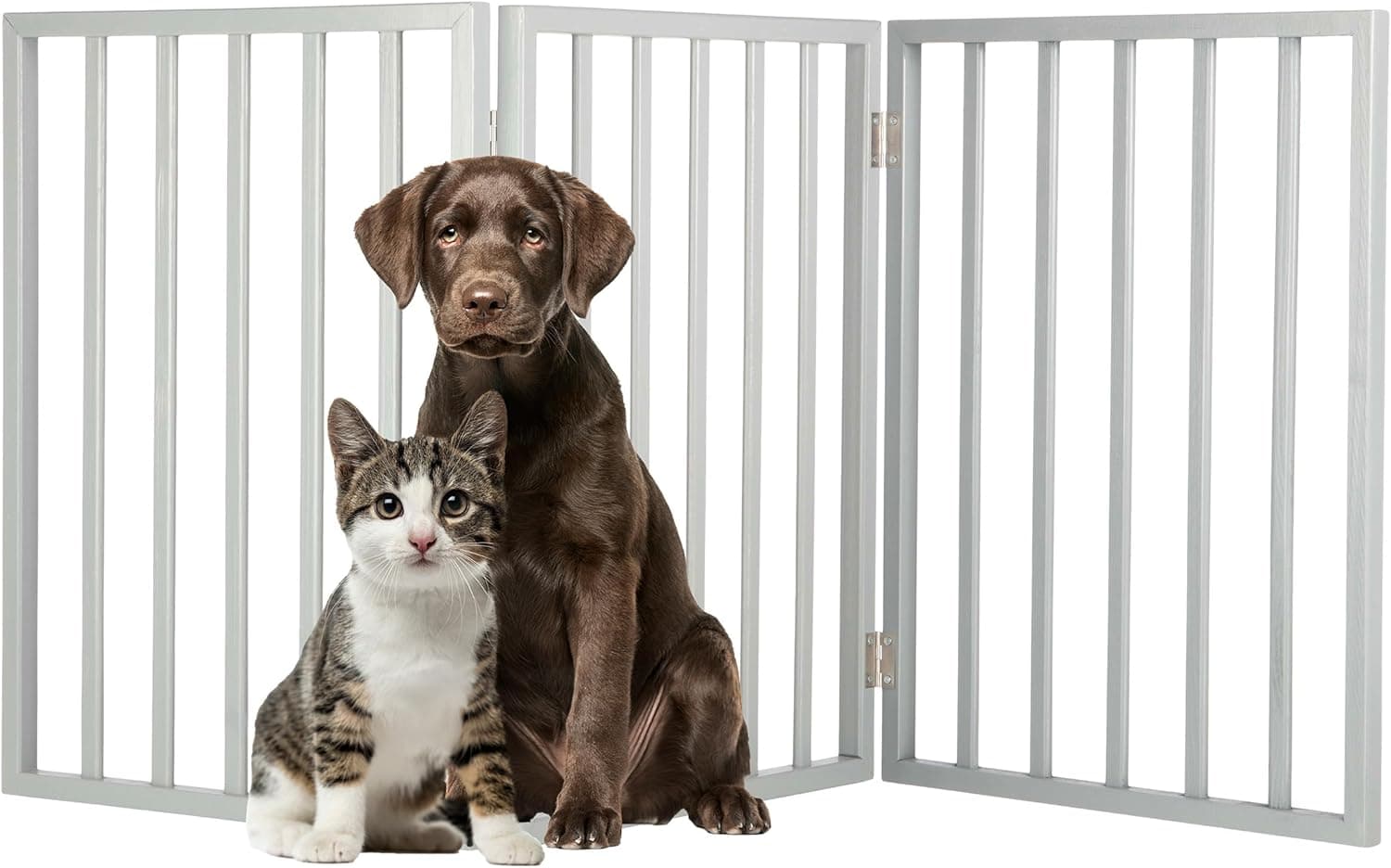
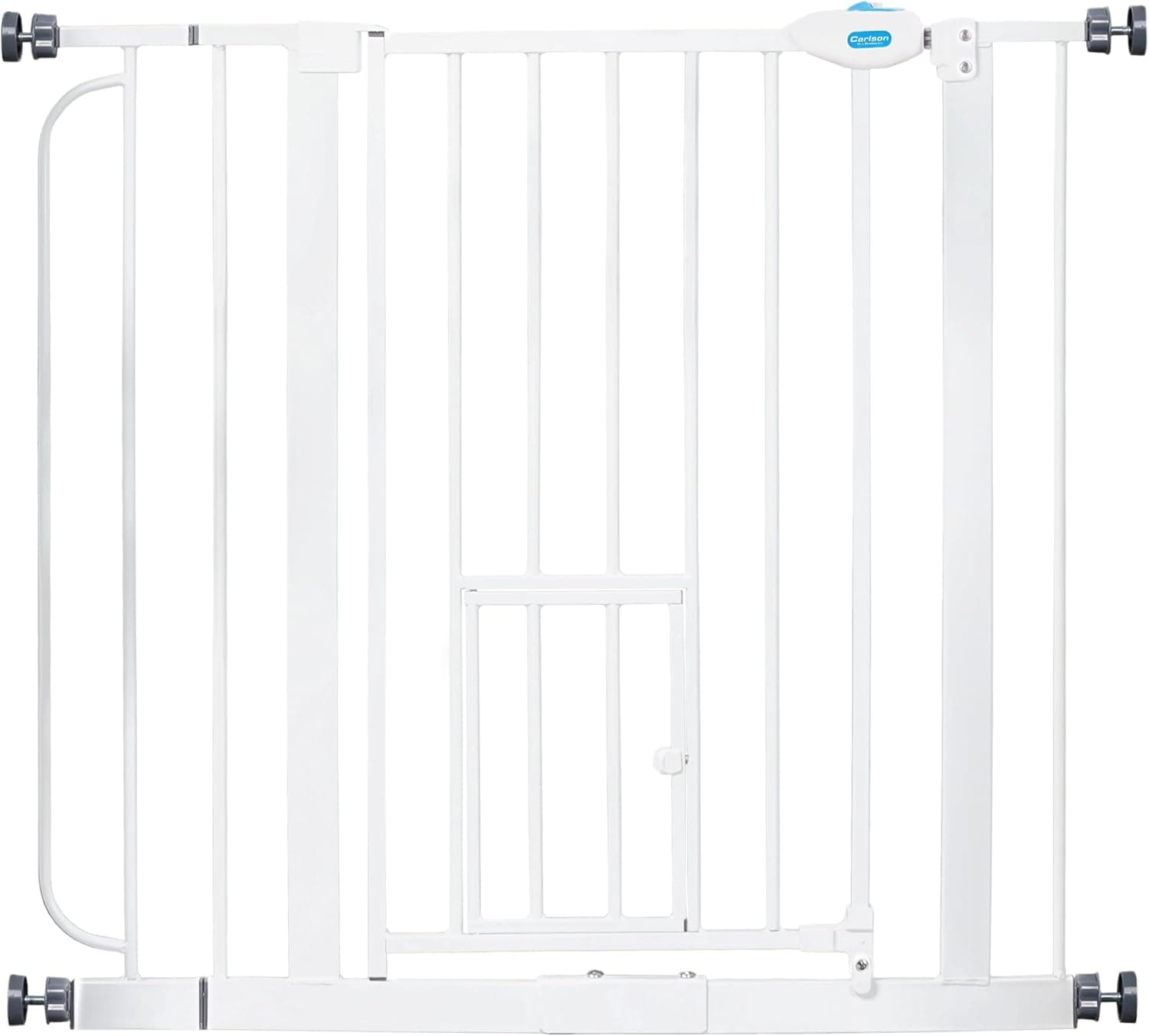
+ Walk-through door lets people pass without stepping over
From our guide: Best Pet Gates for Apartments and Renters
+ Kicker shape suits cats who grab and bunny-kick toys
From our guide: Best Catnip Toys
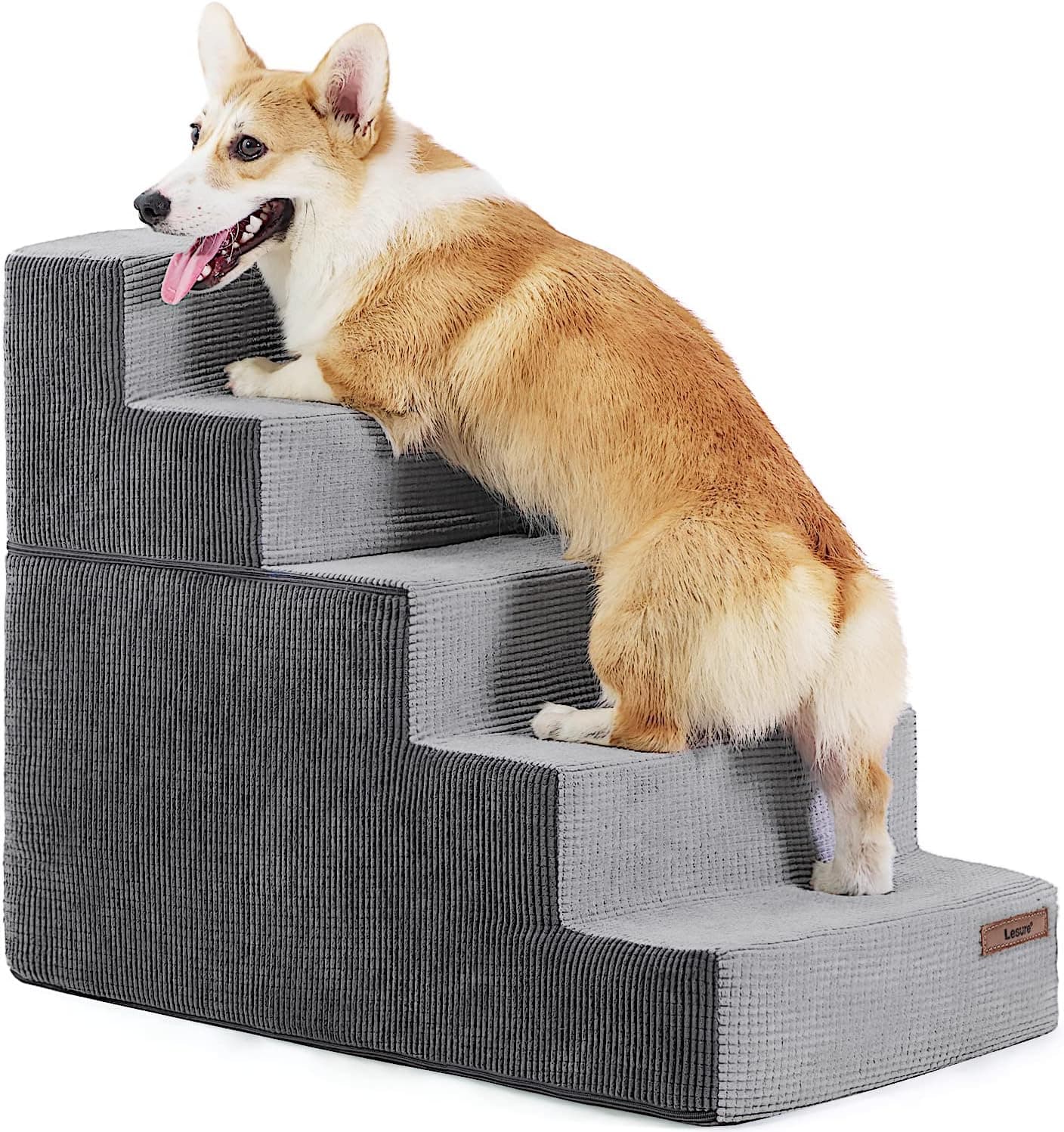
+ 5 steps reach higher beds with a gentler climb per step
From our guide: Best Pet Stairs for Beds and Sofas
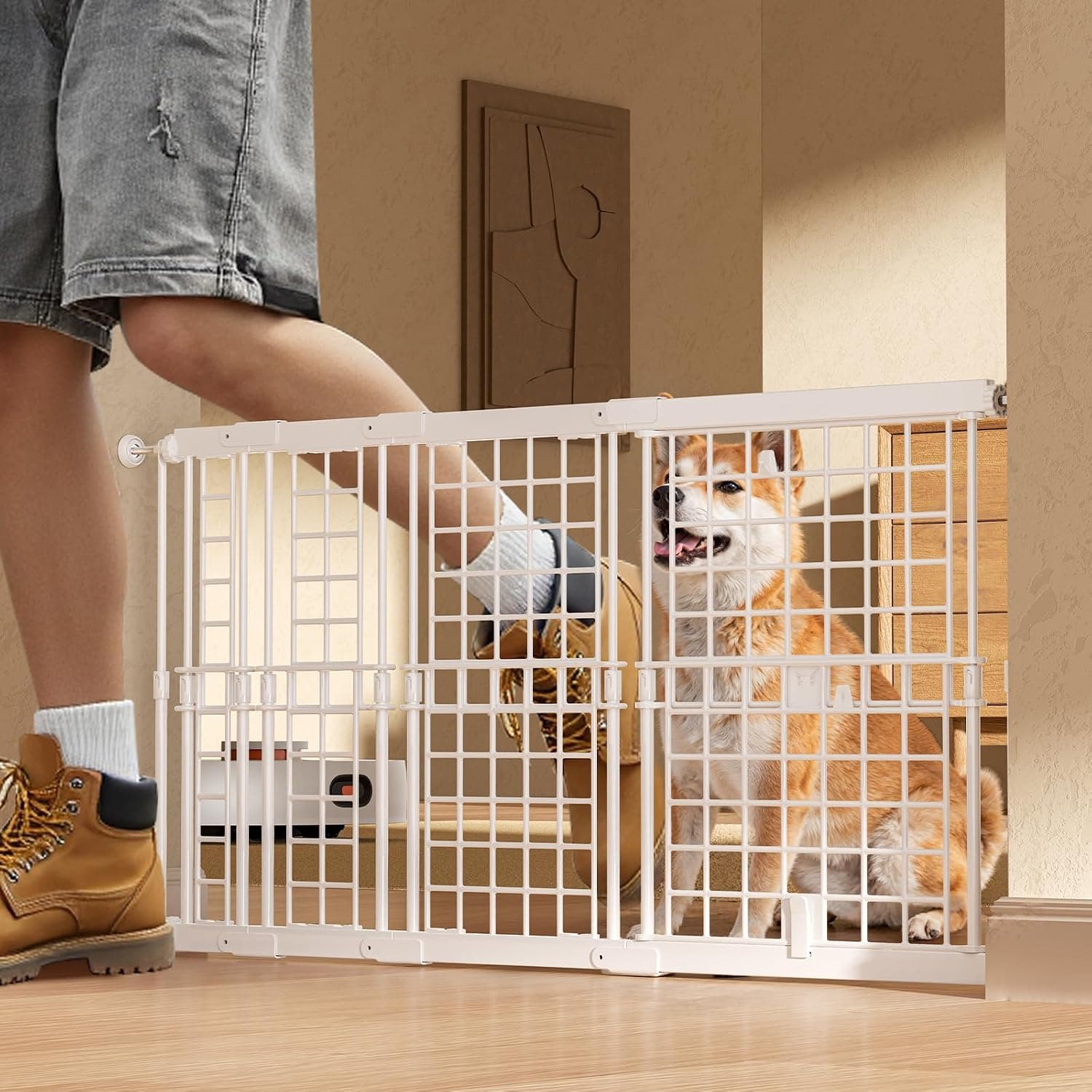
+ Adjustable height from 13 to 22 inches suits puppies and small dogs
From our guide: Best Pet Gates for Apartments and Renters


Soft toys are the obvious starting point for quiet play. Plush toys, fabric tug ropes, and stuffed animals let a dog chew, carry, and shake without the crack of hard plastic against the floor. Skip the ones with squeakers if noise is your concern, or look for versions with quiet crinkle inserts that produce a soft rustle rather than a shrill squeal. For cats, plush mice and fabric kickers deliver the same bite-and-wrestle satisfaction as anything hard, with none of the sound, and they are gentle on both teeth and floors.
Surfaces matter as much as the toys themselves. Even a quiet toy becomes noisy when a game of fetch sends a dog thundering across a bare floor, and the impact travels straight to the unit below. A large area rug or interlocking foam mats absorb both the sound of paws and the bounce of a toy, transforming a hard-floored apartment into a much quieter play zone. Confining active play to a carpeted room, or laying down a runner in a hallway used for fetch, protects your downstairs neighbor from the drumming of an energetic pet.
Puzzle and food toys are ideal for shared-wall living because they engage the mind quietly. A treat-dispensing ball made of soft rubber rolls almost silently, and a snuffle mat or a lick mat occupies a pet in near-total silence while delivering serious mental stimulation. These toys are especially valuable during the evening and early morning hours, when a neighbor is most likely to be disturbed by noise, because they let your pet work off energy without a single loud sound. A frozen stuffed toy can absorb a dog's attention for a long, peaceful stretch.
Timing and supervision let you use even slightly noisier toys responsibly. If your pet loves a particular toy that makes some sound, reserve it for daytime hours when neighbors are less sensitive, and switch to silent options in the early morning and late at night. Interactive play that you direct, a slow wand session with a cat or gentle tug with a dog, stays quiet because you control the intensity and can steer the game away from crashing into walls or furniture. Being present also lets you redirect a pet that starts getting too rowdy.
Chew toys deserve attention because chewing is a quiet, deeply satisfying activity for dogs. A durable rubber chew or a soft edible chew keeps a dog occupied for long periods with only faint gnawing sounds, far quieter than a hard nylon bone knocked repeatedly against a tile floor. Chewing also relieves the stress and boredom that otherwise build into barking, so a good chew toy indirectly reduces the loudest noise complaint of all. Choose sizes and materials appropriate to your dog's chewing strength for safety.
Keeping play quiet in a shared building is really about thoughtful choices rather than restricting your pet's fun. Reach for soft and fabric toys, cover hard floors where play happens, lean on silent puzzle and chew toys during sensitive hours, and stay involved enough to keep the energy from spilling into the walls. Your pet gets all the physical and mental exercise it needs, and your neighbors get the peace they deserve, which is the balance that makes apartment life with a pet sustainable for everyone.
Popular right now
- Best Enclosed Litter Boxes for Apartments (2026 Guide)Buying guide
- Crate training explainedGlossary
- How to Handle Dog Barking Complaints in an ApartmentArticle
- Best Pet Odor Eliminators for Apartments (2026 Guide)Buying guide
- Litter Box Placement Ideas for Small ApartmentsArticle
- Best Cat Scratching Posts for Apartments (2026 Buyer Guide)Buying guide
Based on the last 28 days of search and visitor data.