Traveling With a Small-Space Pet
Published How we research
A pet accustomed to the tight, familiar boundaries of an apartment can find travel especially unsettling, because everything that made its small world feel safe, the fixed layout, the predictable sounds, the personal retreat, disappears at once. Whether you are heading to the vet, visiting family, or relocating, thoughtful preparation turns a potentially traumatic journey into a manageable one. The goal at every stage is to carry as much of the pet's sense of security with you as possible, so the unfamiliar feels a little less threatening.
Products from this article
The highest-scoring picks from the buying guides this article links to. Scores are our editorial assessment, not customer ratings.
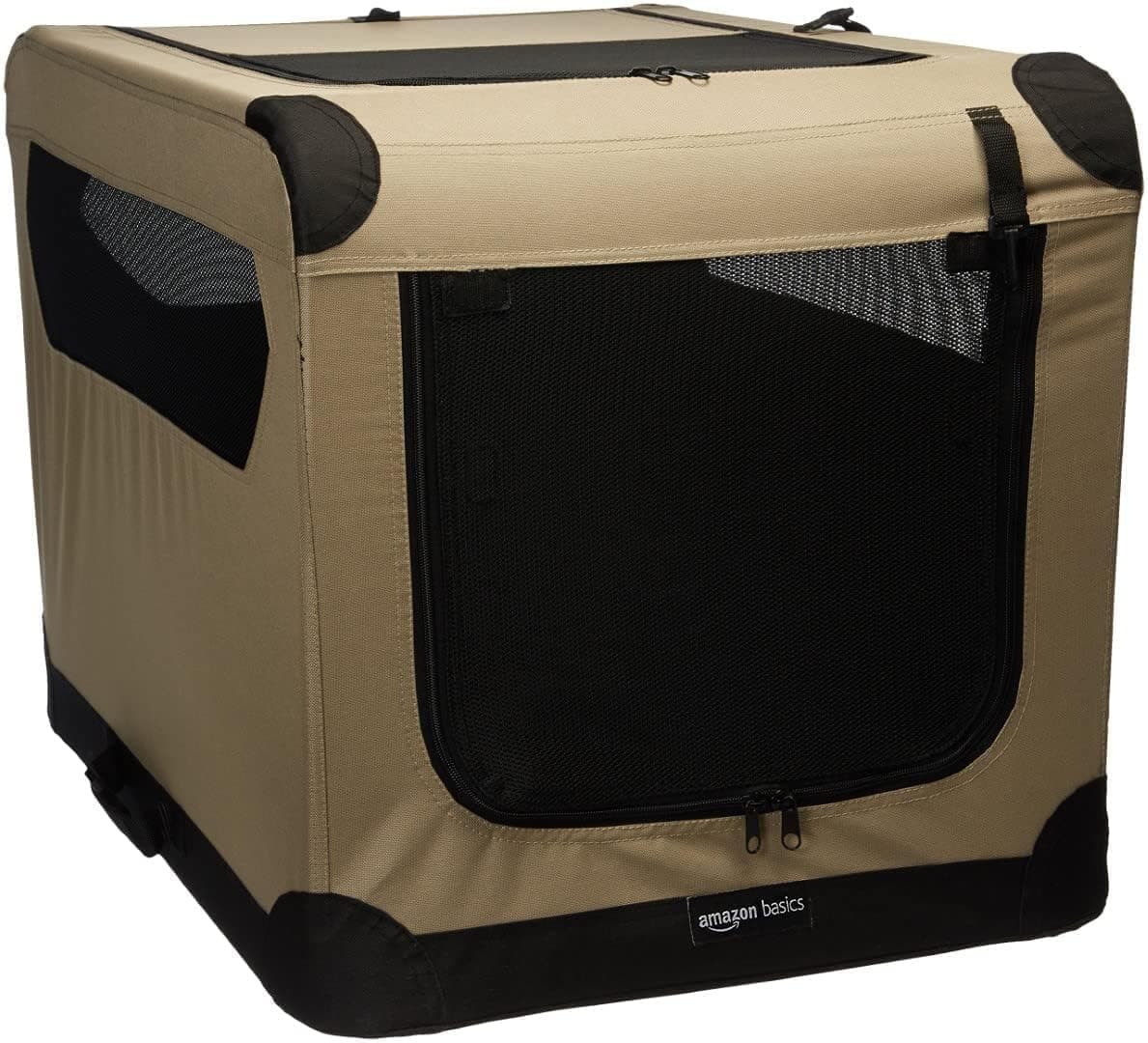
+ Front door plus a side door that can be installed on the left or the right to suit the room layout
From our guide: Best Dog Crates for Apartments (2026 Buyer Guide)
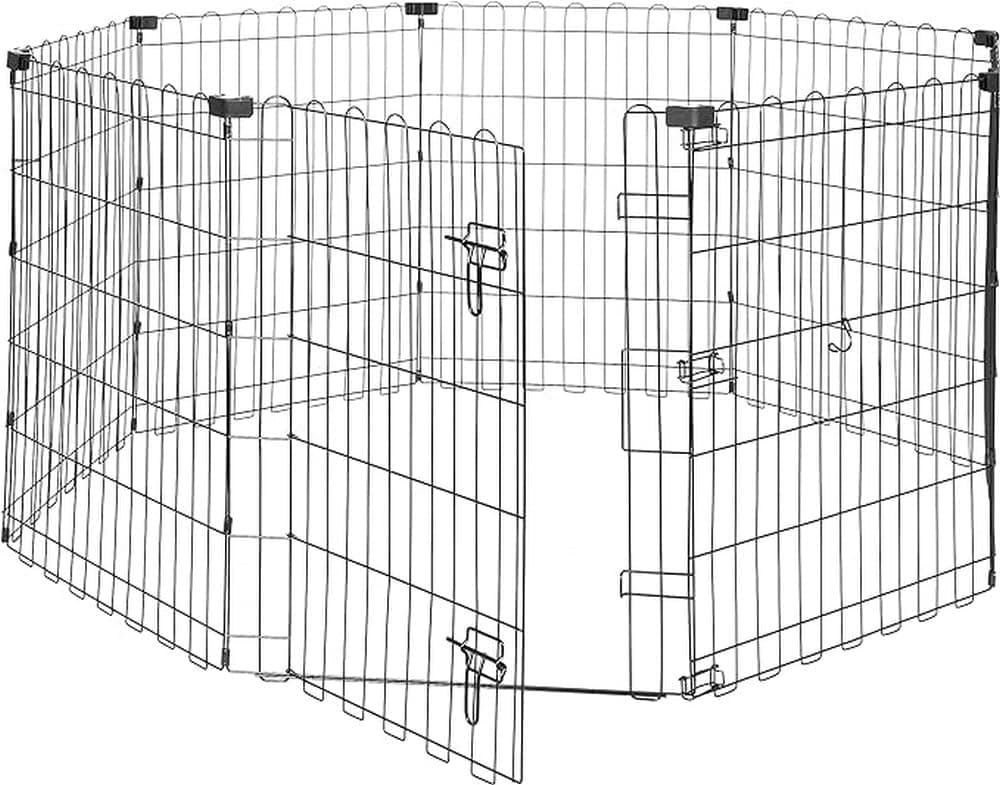
+ 8 metal panels form a secure pen or can be reshaped along walls
From our guide: Best Pet Playpens for Small Apartments
+ Pitched at large cats, so platforms are sized for bigger bodies
From our guide: Best Cat Wall Shelves
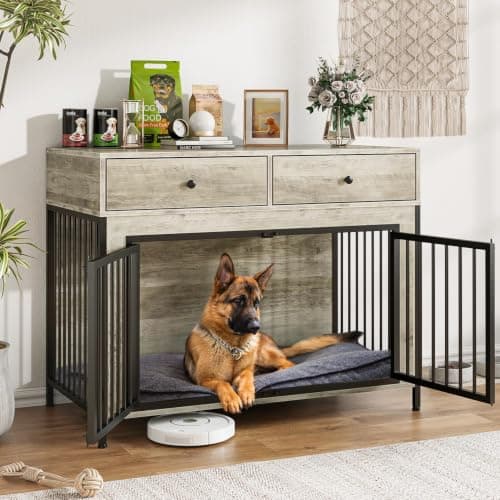
+ Two large drawers under the top keep food, treats, toys and leashes out of sight
From our guide: Best Dog Crates for Apartments (2026 Buyer Guide)


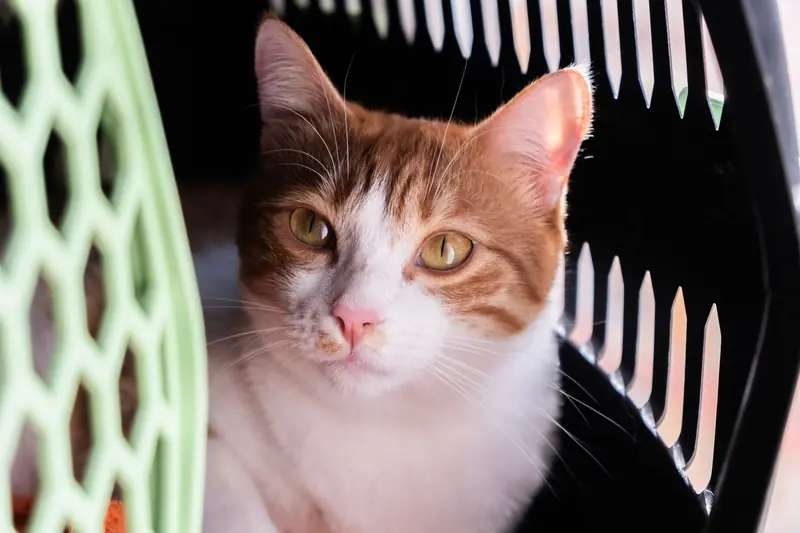
Carrier and crate familiarity is the foundation of stress-free travel, and it starts long before the trip. A pet that already sees its carrier as a safe den, rather than a trap that only appears on vet days, travels far more calmly. Leave the carrier out in your apartment for weeks beforehand, with the door open, a soft blanket inside, and occasional treats, so the pet chooses to enter and rest there voluntarily. By the time you travel, the carrier is a portable version of the safe space your pet already trusts, which is exactly the reassurance it needs on the road.
Packing familiar items bridges the gap between home and destination. Bring the pet's own bed or blanket, a favorite toy, and its usual food and bowls, because familiar scents and objects anchor an anxious animal in strange surroundings. Keeping the diet consistent avoids the stomach upset that a sudden food change layered on top of travel stress can cause. A supply of any medication, along with vaccination records and identification, rounds out the essentials, and a recent photo helps enormously in the worst case of a pet slipping away in an unfamiliar place.
The transit itself demands attention to safety and comfort. In a car, secure the carrier so it cannot slide or tip, ideally on the floor or strapped to a seat, and never let a pet roam loose while driving. Keep the vehicle at a comfortable temperature and take breaks on long drives to offer water and, for dogs, a supervised leg stretch on a leash. Feed lightly before travel to reduce motion sickness, and resist the urge to open the carrier in an unfamiliar or unsecured area, since a frightened pet may bolt. For a nervous animal, a blanket draped over the carrier creates a calming, den-like darkness.
Different modes of travel carry their own rules and risks. Air travel involves airline-specific carrier requirements, health documentation, and decisions about cabin versus cargo that deserve research well in advance, and it is inherently more stressful, so weigh whether the trip is truly necessary. Trains, buses, and rideshares each have their own pet policies to confirm ahead of time. Whatever the mode, verify that your identification and any required paperwork are in order before you leave, because sorting out a missing document mid-journey with an anxious pet is a situation to avoid entirely.
Arrival and settling in call for patience, because a pet used to a small, controlled space can feel overwhelmed by a new environment. Set up a defined area first, put down the familiar bed, bowls, and litter box, and let the pet explore gradually from that secure base rather than turning it loose in an unfamiliar whole. Keeping to your normal feeding and walking routine as closely as possible provides continuity that steadies the pet. Give it time and quiet to adjust, watch for signs of stress, and let the animal set the pace of exploration instead of forcing it.
Traveling with a small-space pet is ultimately an exercise in portability, carrying the familiar with you at every step. Build carrier trust in advance, pack the objects and routines that signal safety, prioritize security and calm during transit, and recreate a defined home base on arrival. A pet that never leaves its apartment world entirely, even in transit, copes far better than one thrown abruptly into the unknown, and the preparation you invest beforehand pays off in a calmer companion and a far smoother journey for you both.
Popular right now
- Best Enclosed Litter Boxes for Apartments (2026 Guide)Buying guide
- Crate training explainedGlossary
- How to Handle Dog Barking Complaints in an ApartmentArticle
- Best Pet Odor Eliminators for Apartments (2026 Guide)Buying guide
- Litter Box Placement Ideas for Small ApartmentsArticle
- Best Cat Scratching Posts for Apartments (2026 Buyer Guide)Buying guide
Based on the last 28 days of search and visitor data.