How to Protect Your Dog's Paws on Salted City Sidewalks
Published How we research
Apartment dogs walk on sidewalks treated with de-icing salt and chemicals all winter, often several times a day. Salt dries and cracks paw pads, ice balls form between toes and some dogs lick residue off their feet once they are home. A simple routine before and after walks keeps paws healthy until spring.
Why winter sidewalks hurt paws
Rock salt and many de-icing products draw moisture from skin and can irritate pads, causing dryness, cracking and redness. Sharp salt crystals can also lodge between toes, and dogs often start limping or lifting a paw partway through a walk.
Some de-icers contain chemicals that upset the stomach if dogs lick them off their paws. Snow and ice balls packed between toes add discomfort, especially for dogs with long fur on their feet.
Protect paws before walks
Dog boots give the most protection from salt, ice and cold. Choose boots with grippy soles and secure straps, and introduce them gradually indoors with treats, since most dogs walk oddly in boots for the first few sessions.
For dogs that refuse boots, a paw balm or wax applied before walks creates a barrier against salt and snow. Trim the fur between the pads short to prevent ice balls, and keep nails trimmed so dogs have better grip on slippery surfaces.
Clean paws when you come home
Wipe or rinse your dog's paws as soon as you get inside, before they lick them. A paw washer cup with lukewarm water or a damp microfibre towel removes salt from between the toes quickly, and a mat by the door catches melting slush.
Dry paws thoroughly, including between the toes, since damp skin cracks more easily in cold dry air. Keep a paw towel and cleaning cup by the door so the routine takes less than a minute.
Treat dry and cracked pads
Apply a dog-safe paw balm after cleaning if pads look dry, and consider doing it at bedtime so it can soak in. Avoid human lotions with ingredients that may not be safe if licked.
Watch for deep cracks, bleeding, swelling or persistent limping, and contact your vet if they appear. Small cuts can become infected when repeatedly exposed to salt and dirty slush.
Adjust walks on the coldest days
Small, short-coated and senior dogs lose heat quickly. On very cold days, take shorter, more frequent walks, add a coat if your dog shivers easily and choose routes with untreated grass or snow where possible.
Make up for shorter walks with indoor enrichment, such as snuffle mats, puzzle toys and short training sessions. A tired mind helps apartment dogs stay calm when winter weather limits time outdoors.
Products from this article
The highest-scoring picks from the buying guides mentioned above. Scores are our editorial assessment, not customer ratings.
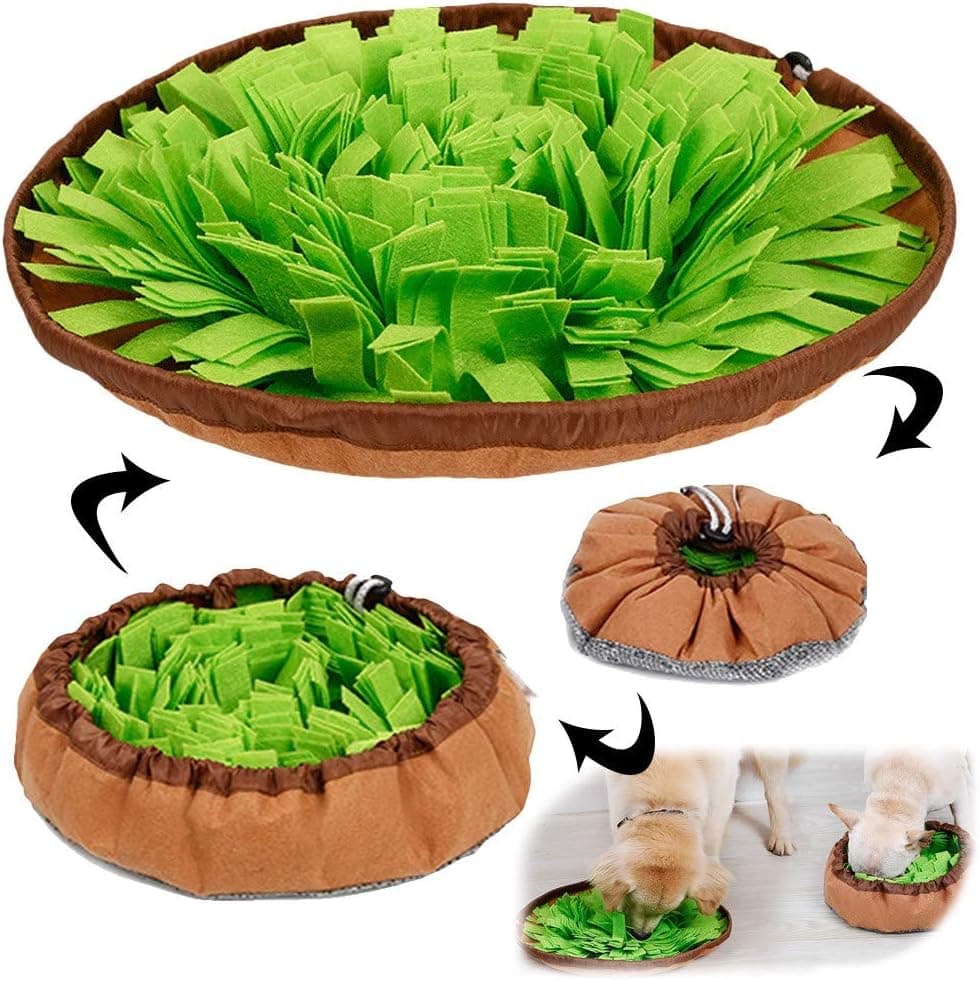
+ Adjustable design lets you change the challenge level
From our guide: Best Snuffle Mats for Apartment Dogs
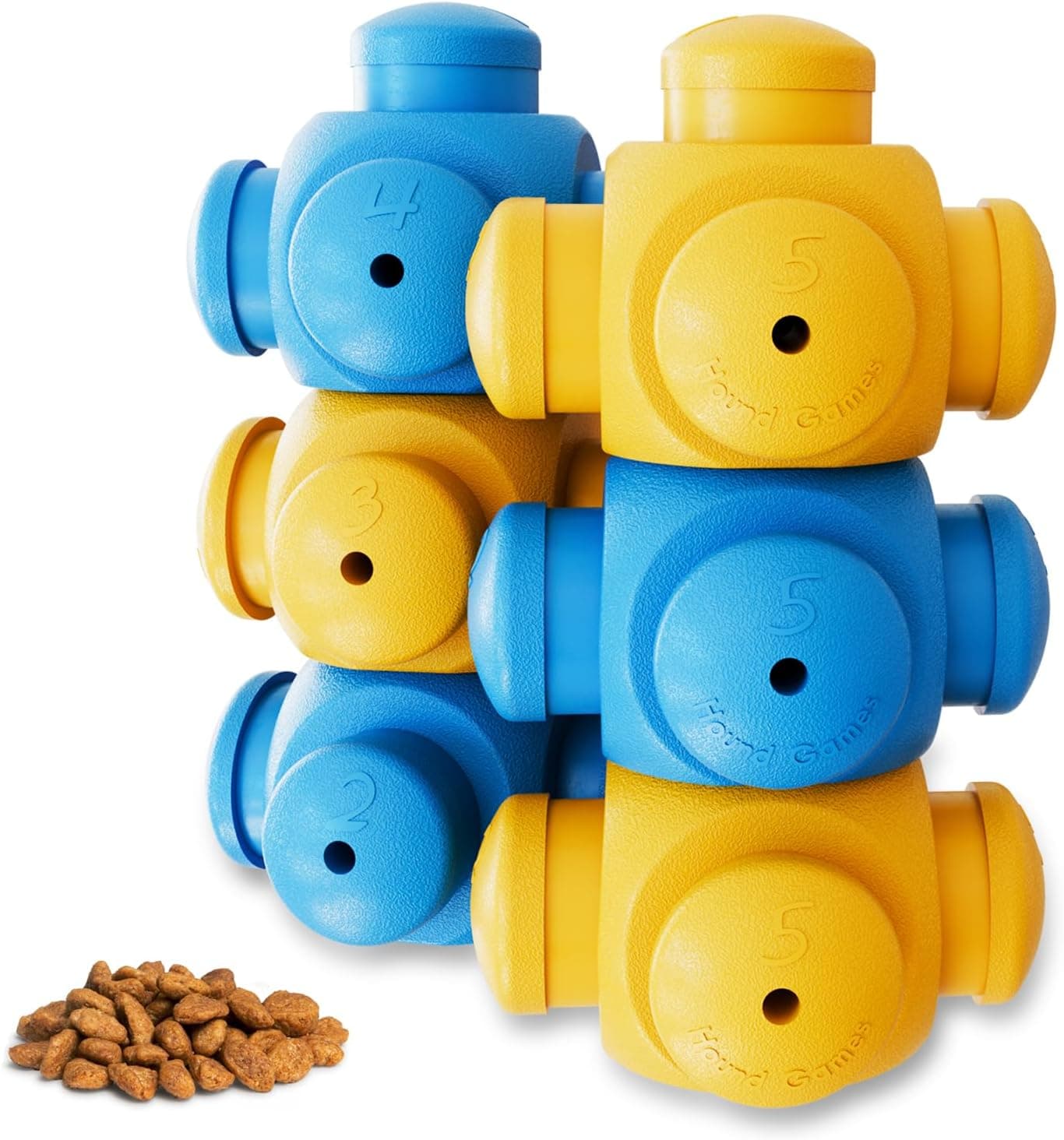
+ 6 Pieces give a range of puzzles to rotate through the week
From our guide: Best Dog Puzzle Toys
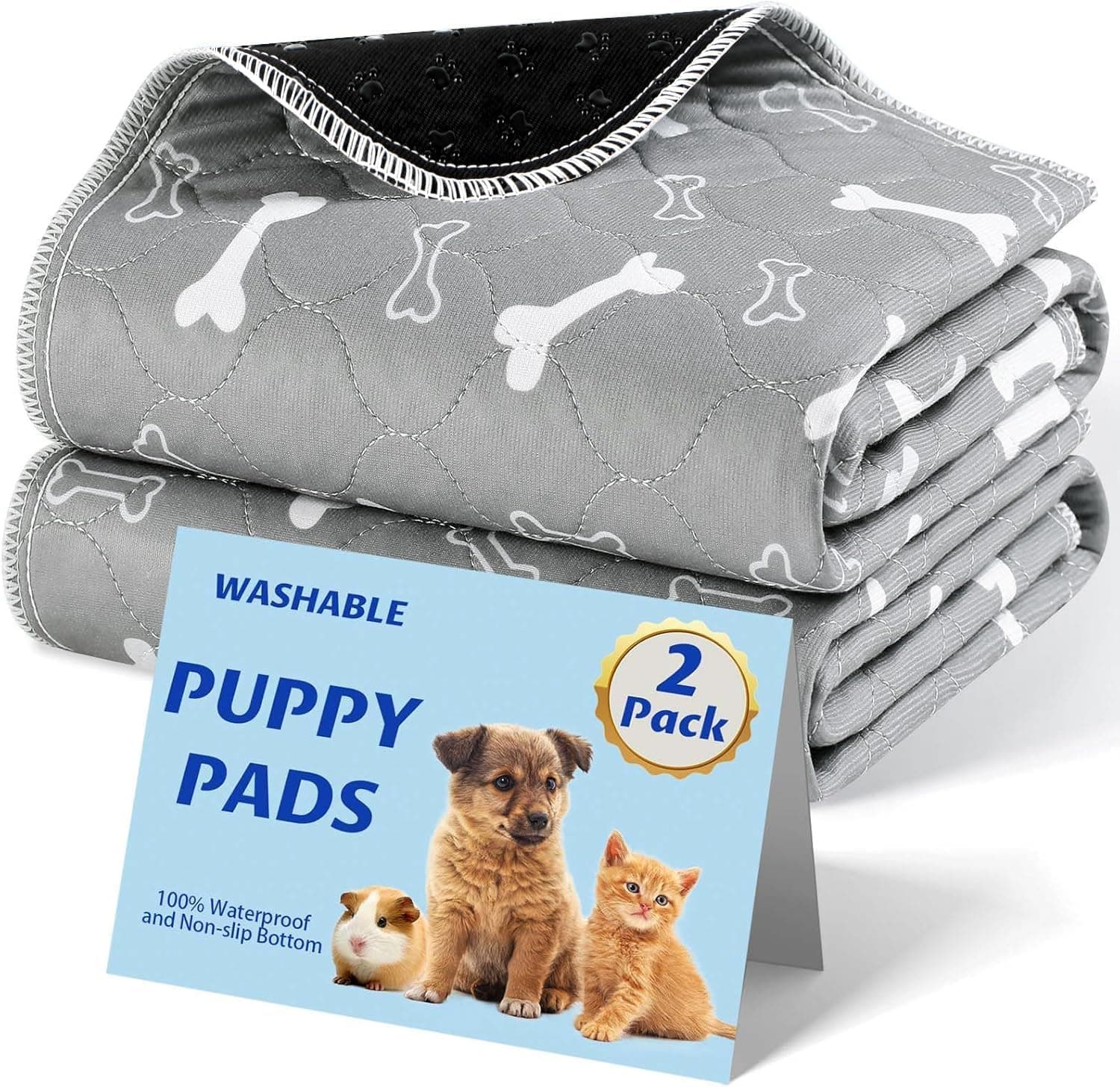
+ 18x24 size fits standard pee pad trays and crates
From our guide: Best Washable Pee Pads for Apartment Pets
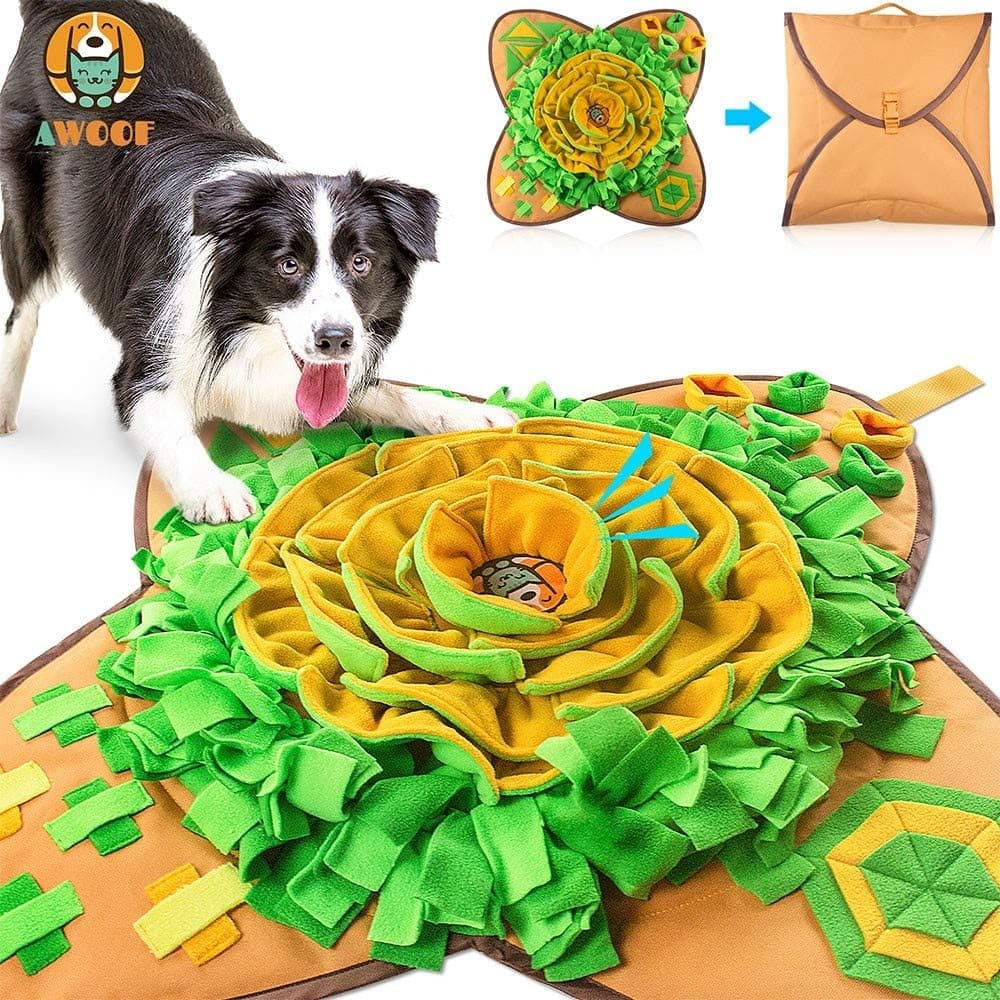
+ 28 by 28 inch mat gives plenty of fleece to hide a full meal
From our guide: Best Snuffle Mats for Apartment Dogs

Popular right now
- Best Pet Odor Eliminators for Apartments (2026 Guide)Buying guide
- Pheromone diffuser explainedGlossary
- Best Automatic Litter Boxes for Small ApartmentsBuying guide
- Best Dog Puzzle ToysBuying guide
- Best Pet Gates for Apartments and RentersBuying guide
- Best Enclosed Litter Boxes for Apartments (2026 Guide)Buying guide
Based on the last 28 days of search and visitor data.