How to Apartment-Proof Your Home Before Bringing a New Pet
Published Updated How we research
Bringing a pet into an apartment is exciting, but the weeks before the arrival matter just as much as the day itself. A small home concentrates hazards into a tight footprint, which means a curious puppy or kitten can reach trouble in seconds. Walking through each room with fresh eyes, ideally at your pet's height, helps you spot the things you have stopped noticing after living there for months.
Products from this article
The highest-scoring picks from the buying guides this article links to. Scores are our editorial assessment, not customer ratings.
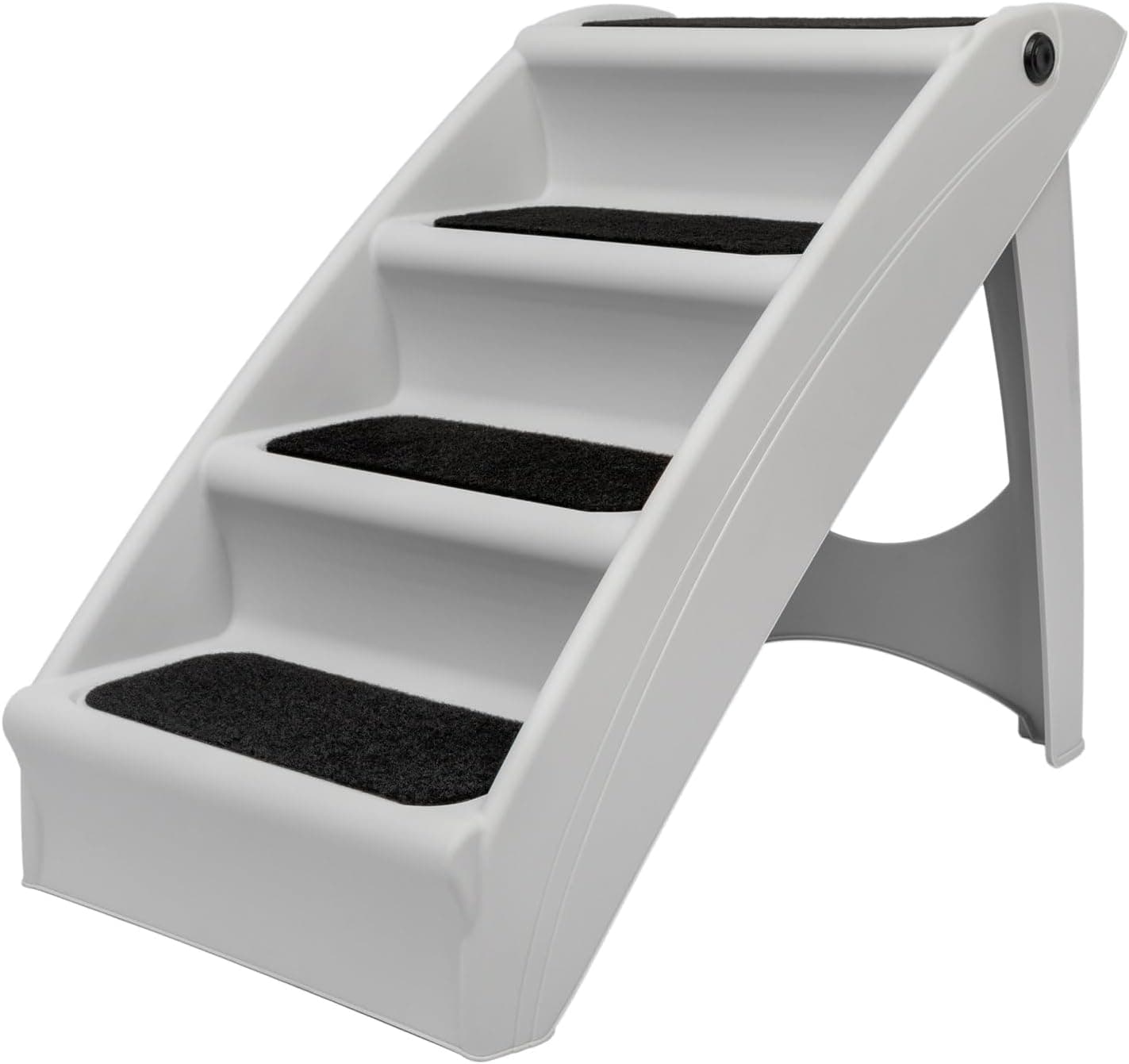
+ 5 steps reach higher beds with a gentler climb per step
From our guide: Best Pet Stairs for Beds and Sofas
+ Houdini design specifically targets escape artist cats that back out of harnesses
From our guide: Best Cat Harnesses for Apartment Cats
+ Water level window shows when to refill without lifting the lid
From our guide: Best Large Pet Water Fountains for Multi-Pet Homes
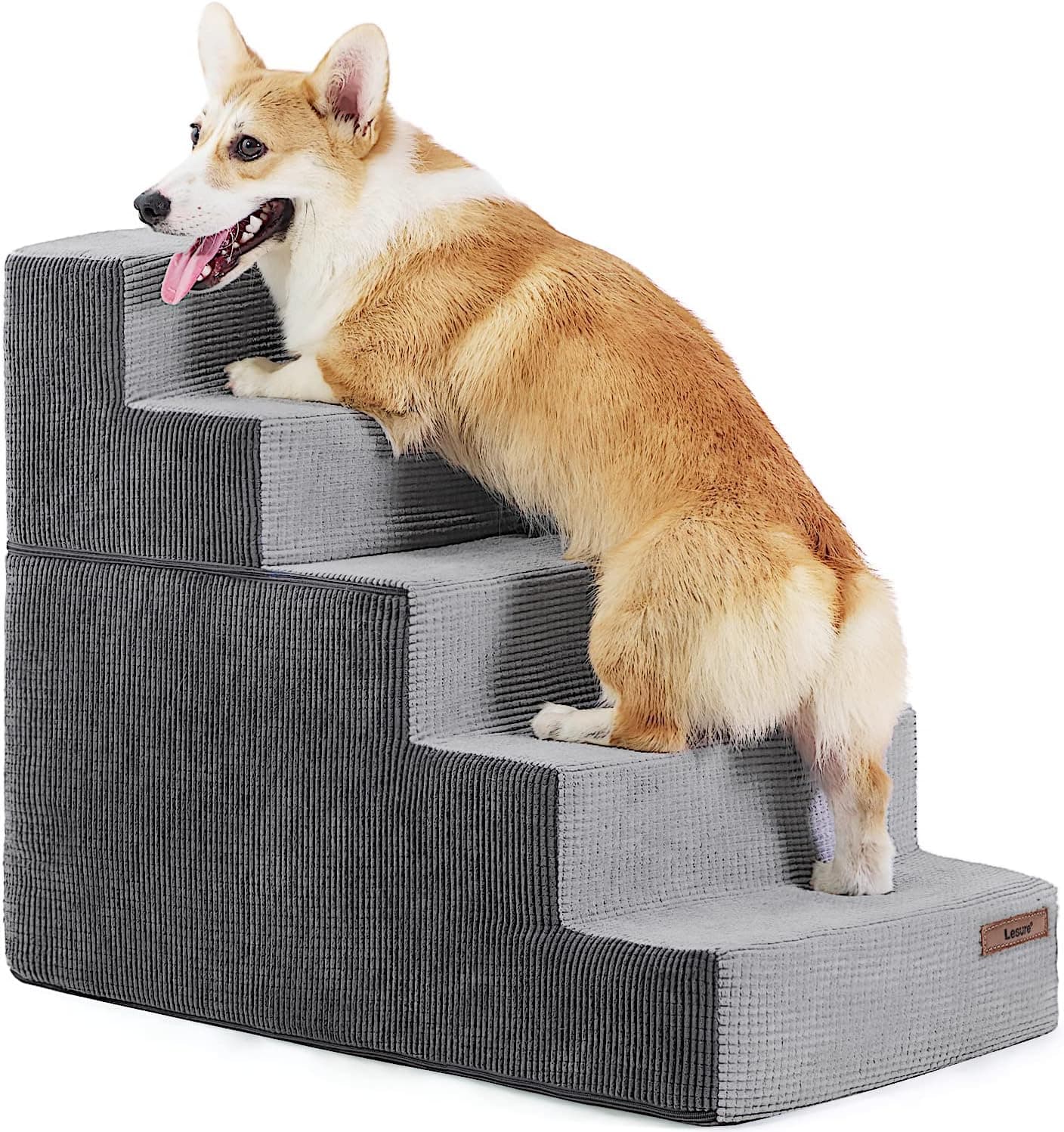
+ High-density foam is soft and quiet under paws
From our guide: Best Pet Stairs for Beds and Sofas




Start with cords and cables, because apartments tend to have outlets clustered near entertainment centers and desks where wires pool on the floor. Bundle loose cords with clips, run them behind furniture, and use cord protectors on anything a teething animal might chew. Phone chargers left dangling from nightstands are a common casualty, so tuck them away or unplug them when not in use. The same attention applies to blind cords, which pose a strangulation risk for both cats and small dogs.
Houseplants deserve a careful audit next. Many popular apartment plants, including pothos, lilies, and sago palm, are toxic if chewed, and a balcony garden only puts them within easier reach. Move questionable plants to a room your pet cannot access, or rehome them entirely if you cannot guarantee separation. Balconies themselves need review too: gaps in railings, unscreened openings, and unstable furniture all invite a fall, so add mesh barriers and clear the ledge of anything a pet could climb.
Escape routes are the hazard people underestimate most in apartments. A pet that bolts through an open door lands in a shared hallway, a stairwell, or worse, a parking area. Get in the habit of the two-door rule, keeping an interior barrier like a baby gate between your pet and the main entrance during the settling-in period. Check that window screens are secure and that your pet cannot squeeze behind appliances into wall gaps, a favorite hiding spot for stressed cats.
Kitchens and bathrooms hold small-space dangers worth locking down. Cabinet latches keep cleaning chemicals, medications, and trash out of reach, and a covered bin prevents late-night foraging. In the bathroom, keep the toilet lid closed and store dental floss, cotton swabs, and hair ties in drawers, since these thread-like items cause dangerous intestinal blockages when swallowed.
Finally, prepare a defined space that belongs to your pet before day one. A crate, a bed in a quiet corner, or a cat tree near a window gives a new animal somewhere to decompress instead of roaming an overstimulating environment. In a studio or one-bedroom, this anchor point reduces anxiety and gives you a place to guide the pet when guests visit or when you need a break. Set out food, water, and a toy or two so the area feels established rather than improvised.
Apartment-proofing is not a single afternoon of work but a mindset you carry for the first few weeks. Recheck your home after the pet arrives, because animals reveal weaknesses no human inspection catches. The corner you thought was sealed, the shelf you assumed was too high, the gap behind the couch you forgot existed, these become obvious once a live, motivated pet starts exploring. A little preparation upfront turns those discoveries into minor adjustments rather than emergencies.
If you already have a cat or dog at home
A new pet arriving in a home with a resident cat or dog needs a plan of its own. Set up a separate base room first, keep food and litter boxes out of the other animal's reach, and add a see-through barrier such as a gate so the animals can get used to each other gradually before sharing space.
Popular right now
- Best Enclosed Litter Boxes for Apartments (2026 Guide)Buying guide
- Crate training explainedGlossary
- How to Handle Dog Barking Complaints in an ApartmentArticle
- Best Pet Odor Eliminators for Apartments (2026 Guide)Buying guide
- Litter Box Placement Ideas for Small ApartmentsArticle
- Best Cat Scratching Posts for Apartments (2026 Buyer Guide)Buying guide
Based on the last 28 days of search and visitor data.