Choosing a Pet for Apartment Living
Published How we research
Energy level is the single most important factor, since a high-drive dog struggles in an apartment no matter how many walks you provide, while lower-energy animals adapt readily. Noise matters for neighbors with shared walls; consider quieter companion animals if noise-sensitive. Temperament and sociability determine how a pet copes with alone time during work hours. Look past breed stereotypes to individual shelter animals whose personalities and history are already known. Factor in practical logistics like building pet policies and your specific home layout. Choose the pet whose needs you can consistently meet, not the one that fits a fashionable image. Choosing a pet for an apartment is less about picking a species and more about matching an individual animal's needs to the life you can realistically offer. People often start with size, assuming small equals apartment-friendly, but a tiny terrier can be far more demanding than a large, placid dog that sleeps most of the day. The traits that actually determine success in a small home are energy level, noise tendency, and how much company the animal needs, and none of these map neatly onto how big the pet is.
Energy level is the single most important factor
Energy level is the single most important factor. A high-drive dog bred for herding or hunting will struggle in an apartment no matter how many walks you provide, because its need for work outpaces what a small-space routine can deliver. Lower-energy dogs, by contrast, adapt readily and are content with a couple of good walks and some indoor play. The same logic applies to cats: some breeds are famously active and vocal, while others are relaxed lap companions. Be honest about your own activity level and choose an animal whose baseline matches yours.
Noise is the factor most likely to cause conflict
Noise is the factor most likely to cause conflict with neighbors, and shared walls make it a real constraint. A dog that barks at every hallway footstep can turn apartment life stressful for everyone within earshot. If you are set on a dog, prioritize a calm temperament and be prepared to train against nuisance barking. Cats are generally quieter, though some breeds are notably talkative. For the noise-sensitive apartment, consider whether a rabbit, a guinea pig, or another quiet companion animal might suit your situation better than a dog at all.
Temperament determines how the animal copes alone
Temperament and sociability determine how the animal copes when you are away. Apartments often mean a working owner and long solo hours, and a pet prone to separation anxiety will suffer and may become destructive or noisy. Animals that tolerate alone time well, or that have a companion of their own, handle this pattern far better. Adopting a bonded pair of cats, for instance, gives them built-in company that a single cat in an empty apartment lacks all day.
Look past breed stereotypes to the individual
Look past breed stereotypes to the individual, especially when adopting. Shelters are full of adult animals whose personalities are already known, which removes the guesswork of a puppy or kitten whose adult temperament is uncertain. An adult dog described by staff as calm and house-trained is a far safer bet for apartment living than a young animal chosen for looks. Ask about the animal's history, its behavior in the shelter, and how it responds to noise and strangers.
Practical logistics round out the decision
Practical logistics round out the decision. Consider your building's pet policy, weight limits, and any breed restrictions before falling in love with an animal you cannot keep. Factor in the daily reality of your specific home: a ground-floor unit with easy outdoor access suits a dog better than a fifth-floor walk-up. Think about litter box space for a cat, or cage space for a small mammal, and whether your budget covers food, veterinary care, and the enrichment a confined animal needs.
Choose for the life you actually live
The right apartment pet is the one whose needs you can meet consistently, day after day, not the one that looks best or fits a fashionable image. Take the time to assess energy, noise, and sociability honestly, meet the individual animal, and be candid about your own routine. A thoughtful match produces a calm, happy pet and a peaceful home, while a mismatch strains the animal, your neighbors, and you. Choose for the life you actually live.
Frequently asked questions
What matters most when choosing a pet for an apartment? Energy level, noise tendency, and how much company the animal needs matter far more than its size, since a tiny dog can be more demanding than a large, placid one.
Are cats or dogs quieter for apartment living? Cats are generally quieter, though some breeds are notably talkative; for noise-sensitive situations, a rabbit or guinea pig might suit an apartment even better than a dog.
Is an adopted adult pet better for an apartment than a puppy or kitten? Often yes, since shelters know an adult animal's personality already, removing the guesswork of a young animal whose adult temperament is still uncertain.
What practical factors should I check before getting an apartment pet? Your building's pet policy, weight limits, and breed restrictions, plus your specific home layout, such as whether a ground-floor unit or a fifth-floor walk-up better suits the animal.
Products from this article
The highest-scoring picks from the buying guides mentioned above. Scores are our editorial assessment, not customer ratings.
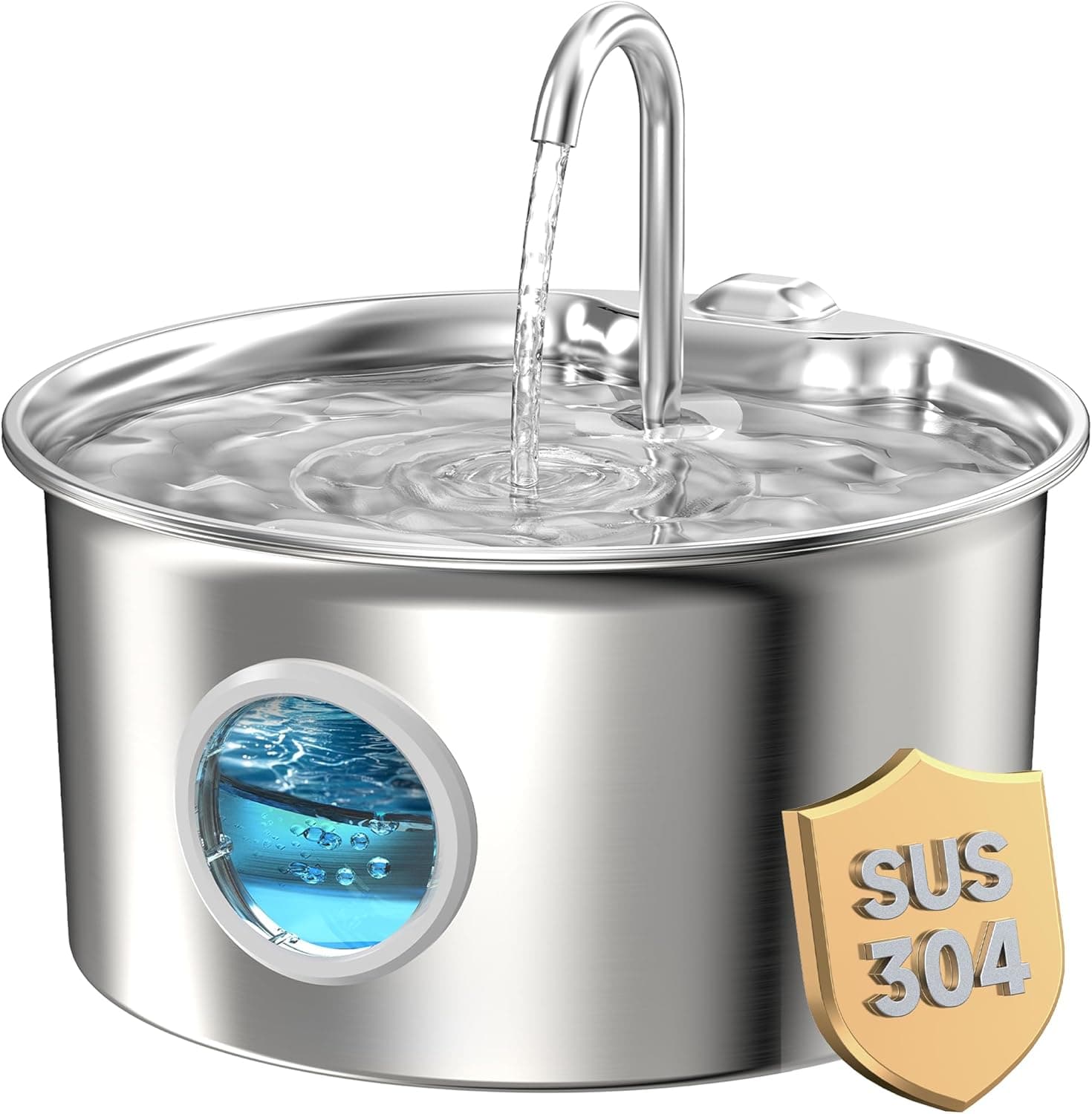
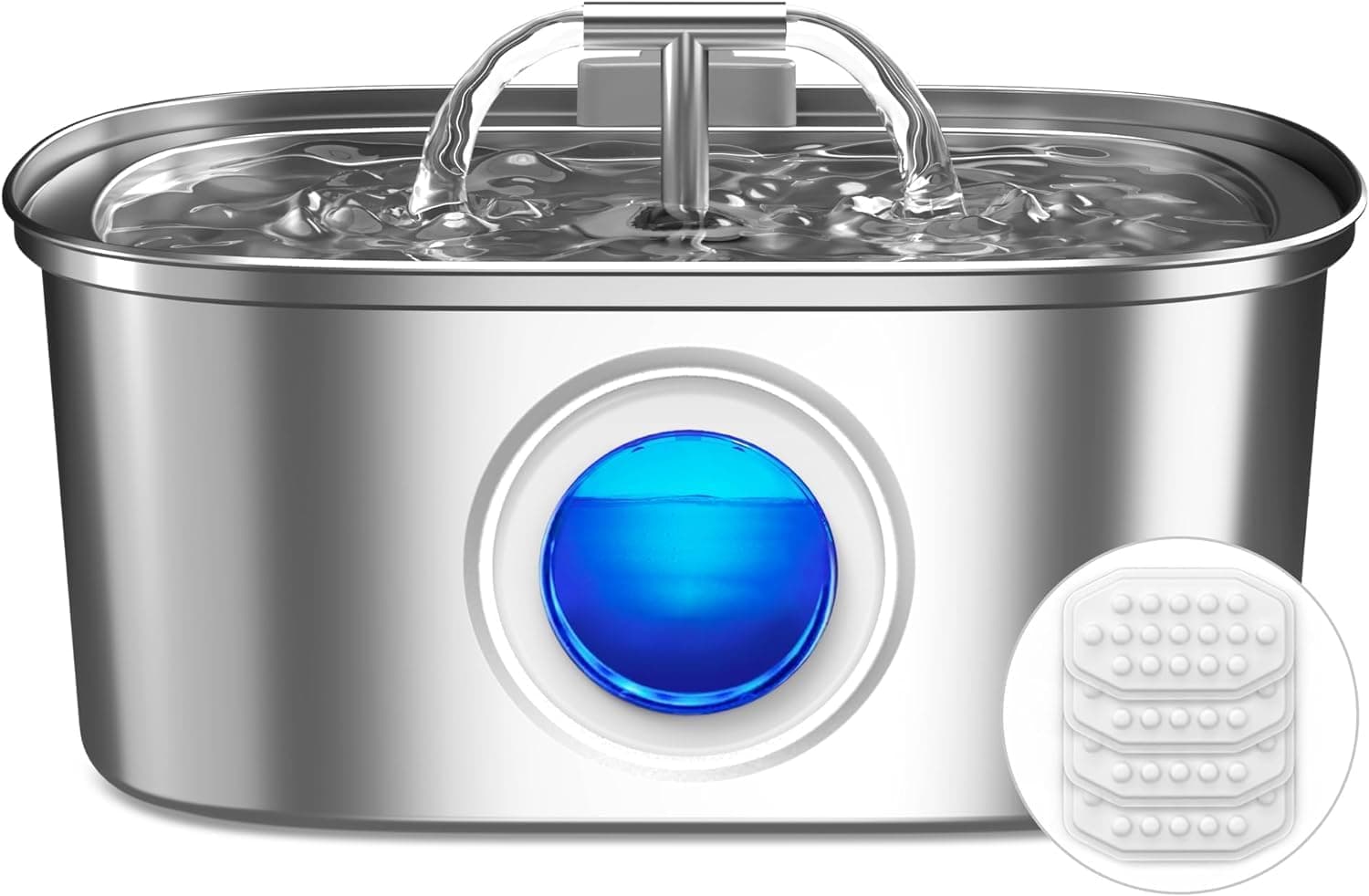
+ Water level window shows when to refill without lifting the lid
From our guide: Best Large Pet Water Fountains for Multi-Pet Homes
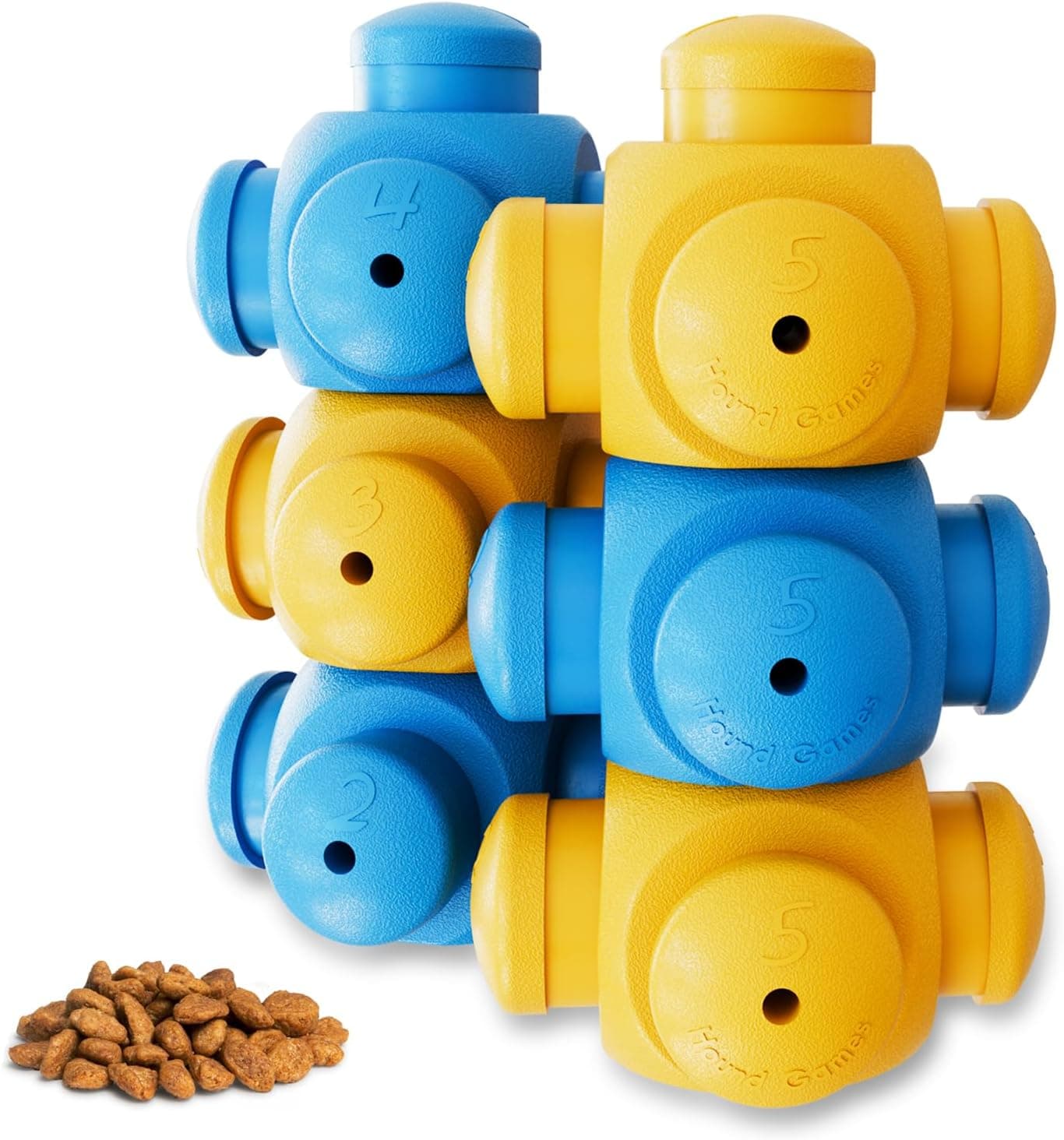
+ 6 Pieces give a range of puzzles to rotate through the week
From our guide: Best Dog Puzzle Toys
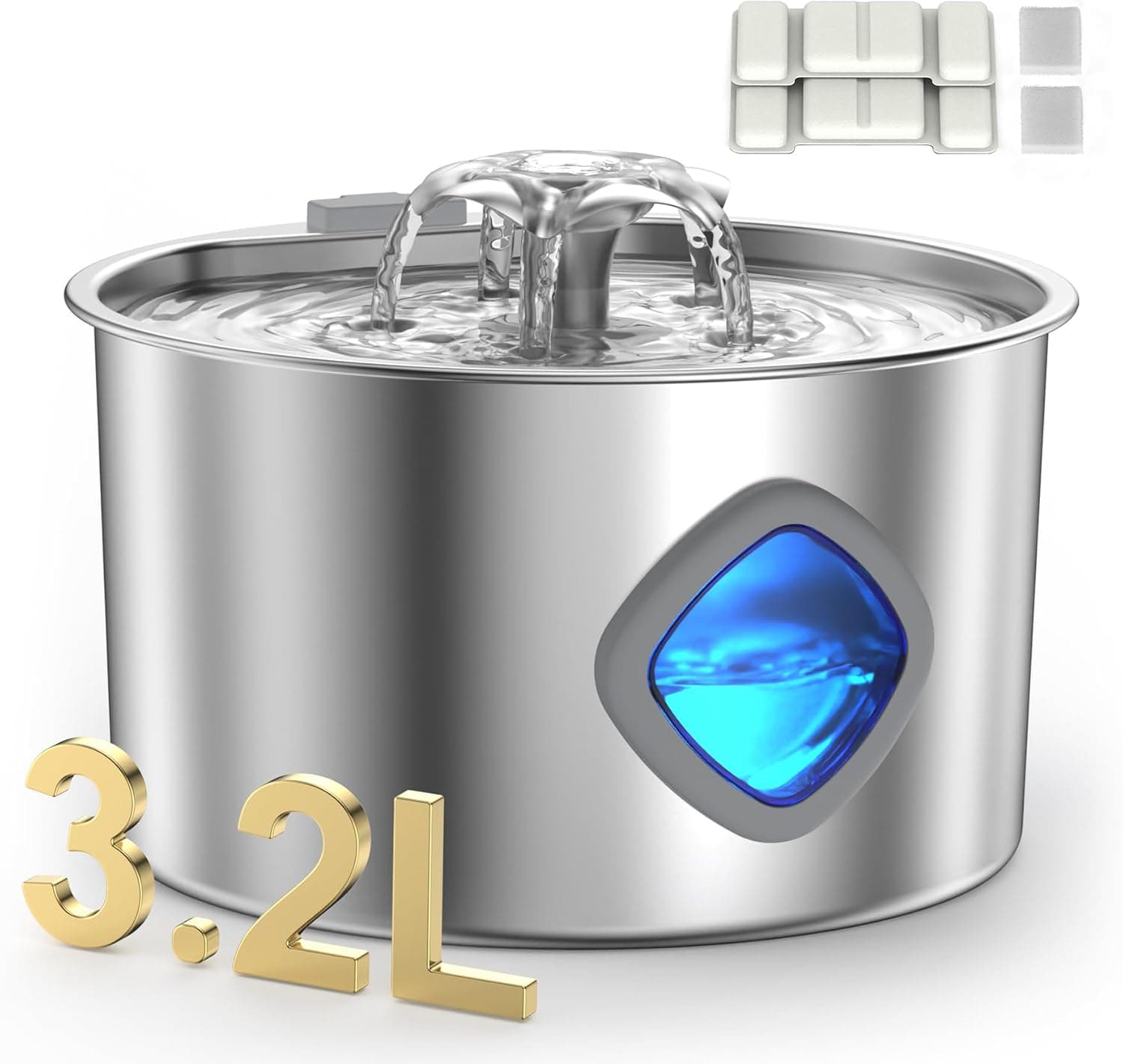
+ 108oz capacity suits multi-cat homes or a small dog
From our guide: Best Large Pet Water Fountains for Multi-Pet Homes
+ Level 1 to 3 options let you scale difficulty as dogs learn
From our guide: Best Dog Puzzle Toys

Popular right now
- Best Pet Odor Eliminators for Apartments (2026 Guide)Buying guide
- Pheromone diffuser explainedGlossary
- Best Automatic Litter Boxes for Small ApartmentsBuying guide
- Best Dog Puzzle ToysBuying guide
- Best Pet Gates for Apartments and RentersBuying guide
- Best Enclosed Litter Boxes for Apartments (2026 Guide)Buying guide
Based on the last 28 days of search and visitor data.