Exercising Dogs Without a Yard
Published How we research
Not having a yard is the worry that stops many apartment dwellers from adopting a dog, but a yard was never the thing that tired dogs out anyway. Most dogs left alone in a yard simply patrol the fence and nap. Real exercise comes from structured activity and mental engagement, both of which you can provide from an apartment with a bit of planning. What your dog needs is a predictable rhythm of outings and enrichment, not a patch of grass outside the door.
Products from this article
The highest-scoring picks from the buying guides this article links to. Scores are our editorial assessment, not customer ratings.
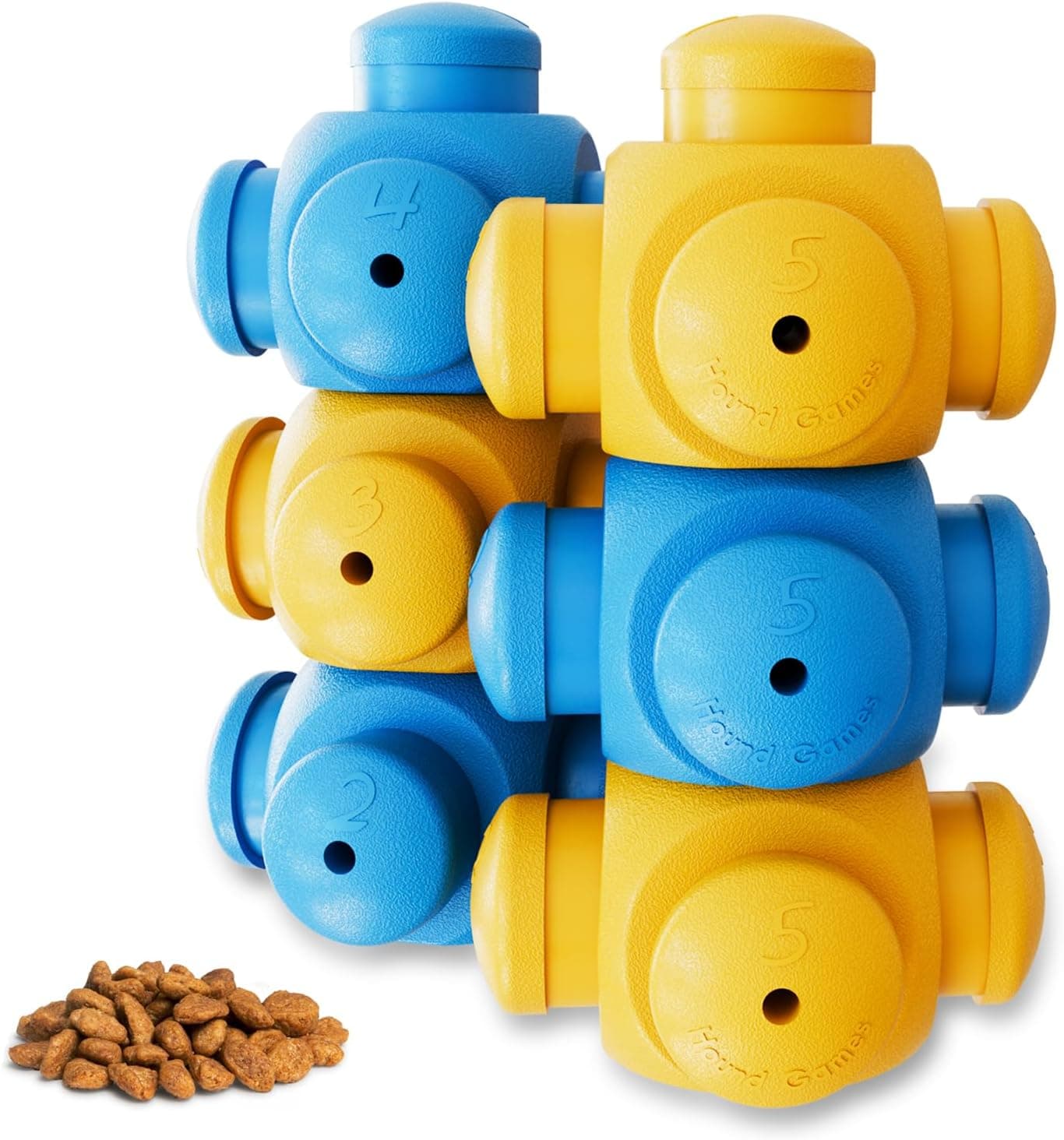
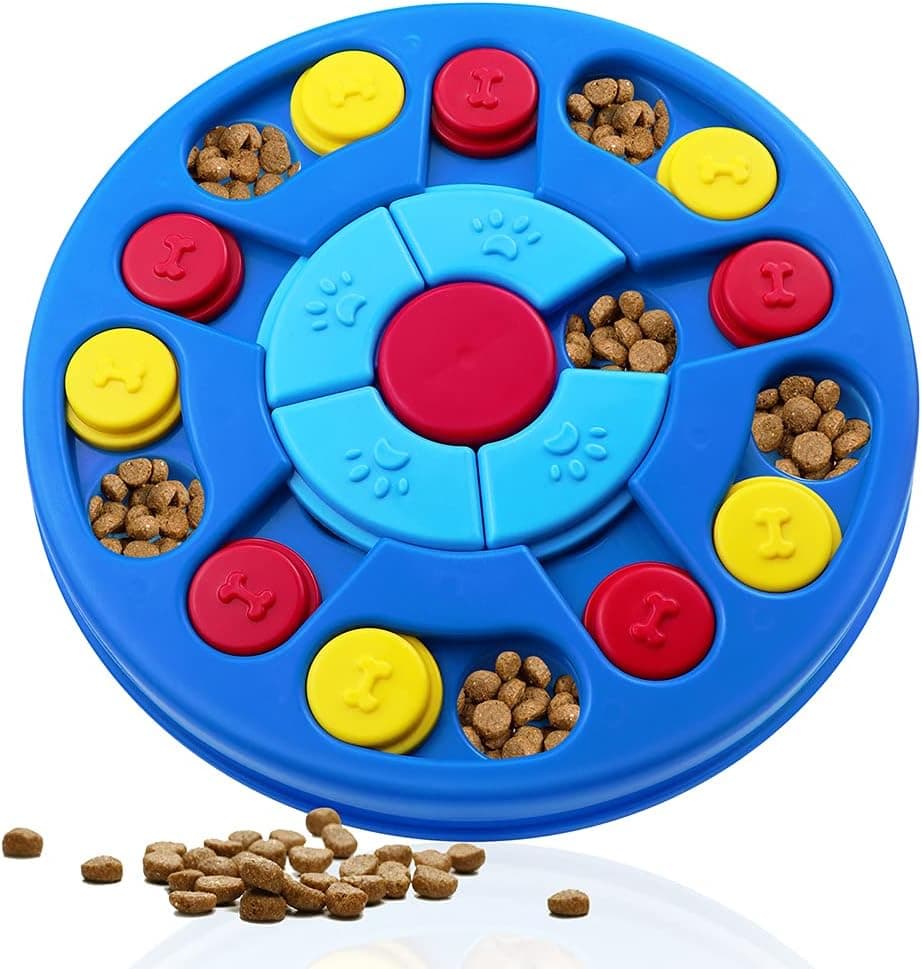
+ 6 Pieces give a range of puzzles to rotate through the week
From our guide: Best Dog Puzzle Toys
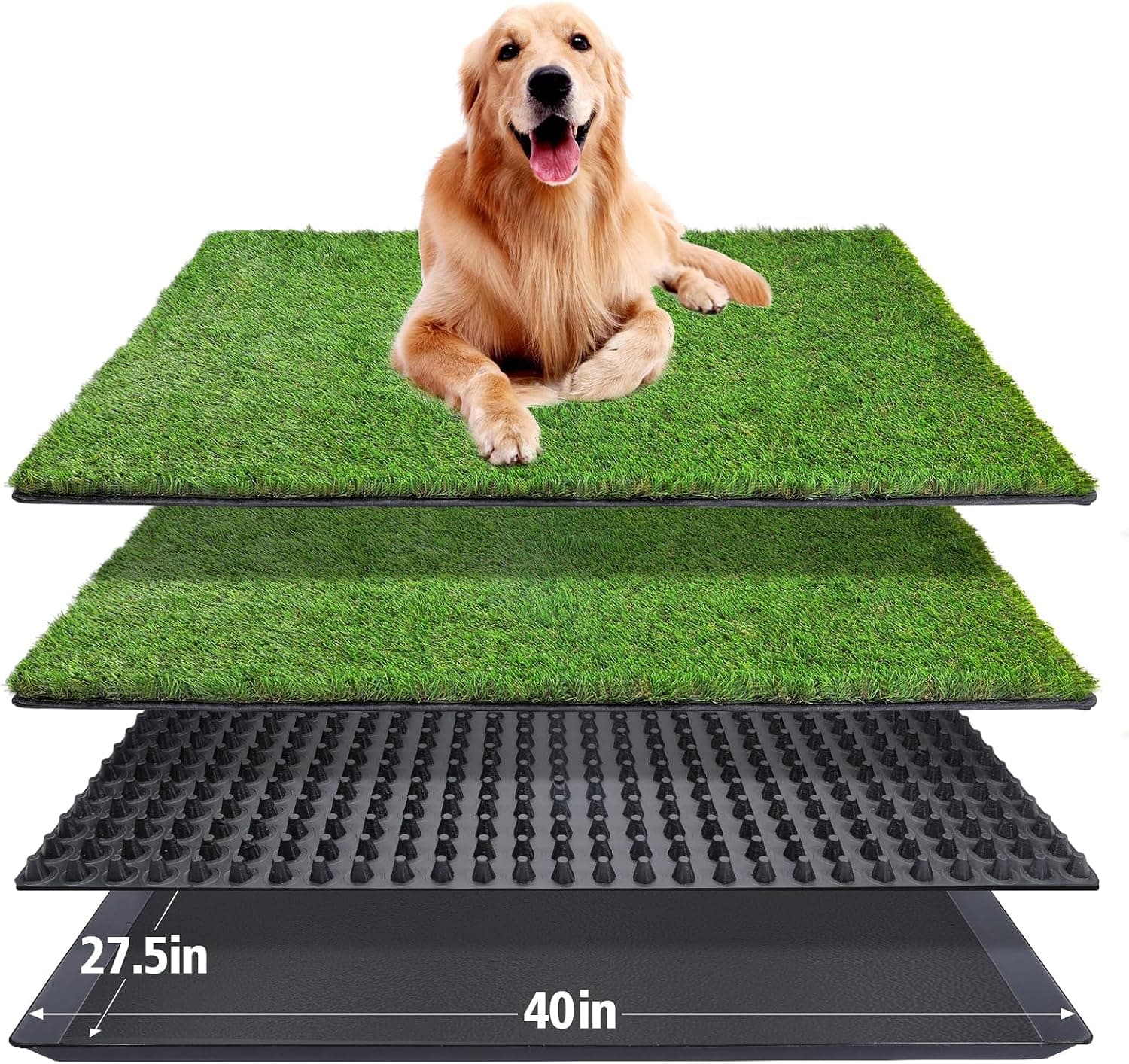
+ XL 40 by 27.5 inch surface gives medium dogs room to turn and squat
From our guide: Best Indoor Dog Potty Solutions for Apartments (2026 Guide)
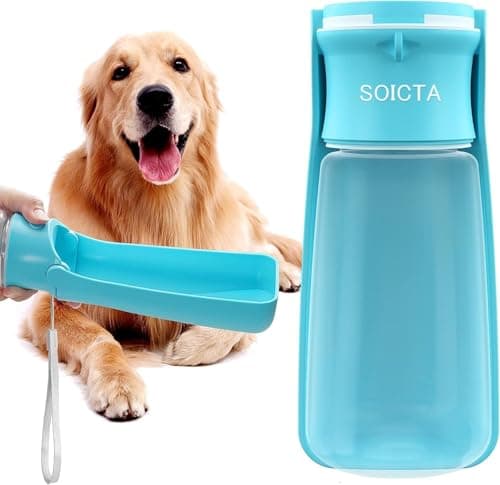
+ Foldable trough design holds more water and saves space, and the one-touch release controls how much water is dispensed.
From our guide: Best Dog Travel Water Bottles for Apartments
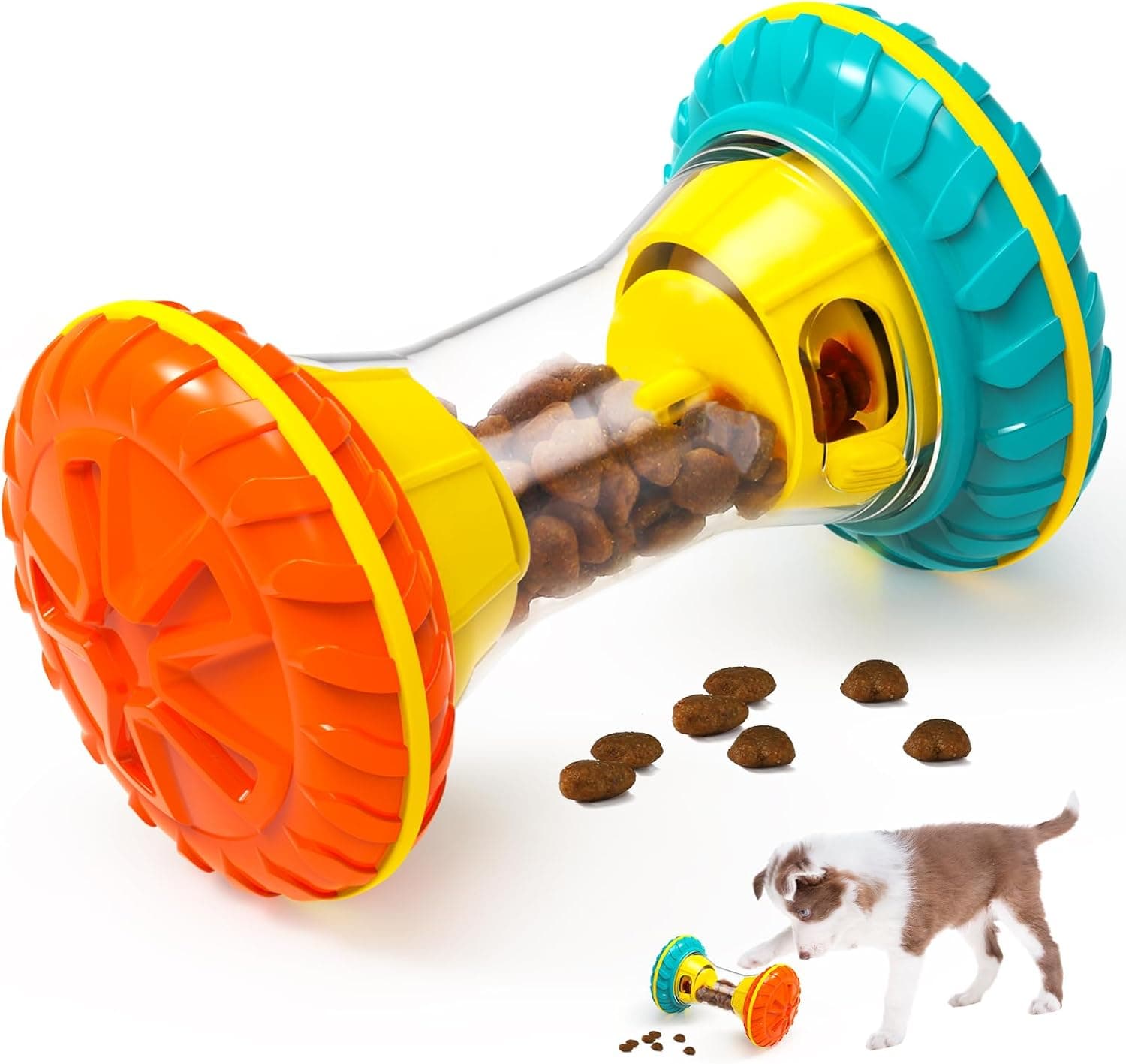
+ Level 1 to 3 options let you scale difficulty as dogs learn
From our guide: Best Dog Puzzle Toys
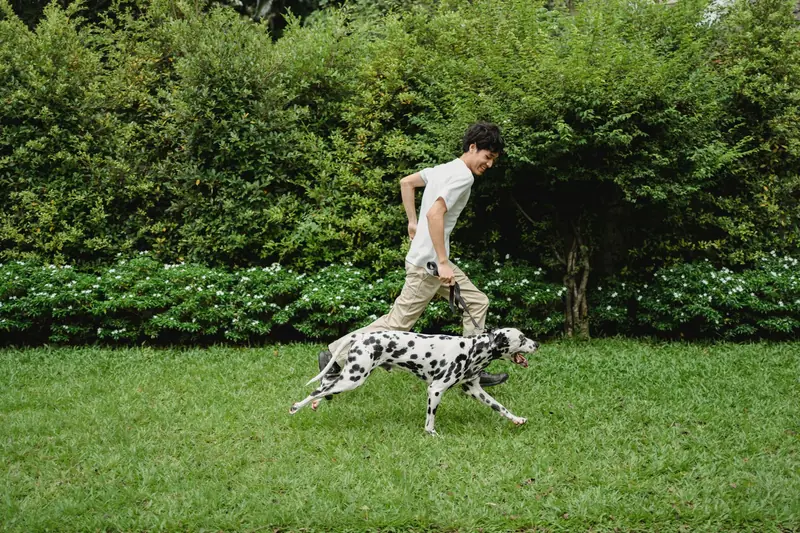
Walks are the foundation, but their quality matters more than their length. A brisk, purposeful walk where the dog gets to sniff and explore engages the brain as much as the body. Scent work is genuinely tiring for dogs, so letting your dog investigate lampposts and hedges on a relaxed portion of the walk delivers more fatigue than dragging it along at a fast clip the whole way. Aim for at least two solid outings a day, adjusting duration to your dog's breed, age, and energy level.
Beyond the basic walk, look for ways to raise intensity in short bursts. A game of fetch in a quiet parking lot, a jog up and down a stairwell, or a session at a local dog park lets a high-energy dog truly run. Many cities have fenced areas designed exactly for this, and off-leash time with other dogs provides social and physical outlet that leashed walks cannot. If a dog park is not nearby, a long training line in an open field gives freedom safely.
Indoor games fill the gaps, especially in bad weather or when you cannot get out. A hallway is perfect for fetch or for a tug session, and teaching your dog to catch a toy builds coordination. Hide-and-seek, where you conceal treats around the apartment or hide yourself and call the dog to find you, taps into natural searching instincts and burns mental energy fast. Stairs inside the building, taken as a controlled up-and-down game, add cardiovascular work without leaving home.
Mental exercise is the secret weapon for apartment dogs, and it is easy to underrate. A food puzzle, a snuffle mat, or a frozen stuffed toy can occupy a dog for a long stretch and leaves it genuinely calm afterward. Short training sessions, even five minutes teaching a new trick, tire a dog more than you would expect because concentration is hard work. Rotating these activities keeps them novel, which is what maintains engagement over time.
Structure and routine tie everything together. Dogs settle best when outings and play happen at roughly consistent times, because predictability reduces the restless anxiety that fuels barking and destruction. Map out a daily pattern that fits your schedule, perhaps a longer morning walk, a midday potty break, an evening play or training session, and a final short walk before bed. Consistency here matters more than any single heroic effort on a free weekend.
An apartment dog can be just as fit and content as any suburban one, provided you commit to the outings and enrichment that replace the yard you do not have. Match the activity to the individual dog, watch for signs of boredom like chewing or pacing, and adjust. The dogs that struggle in apartments are almost always under-exercised rather than under-housed, and that is a problem entirely within your power to solve.
Popular right now
- Best Enclosed Litter Boxes for Apartments (2026 Guide)Buying guide
- Crate training explainedGlossary
- How to Handle Dog Barking Complaints in an ApartmentArticle
- Best Pet Odor Eliminators for Apartments (2026 Guide)Buying guide
- Litter Box Placement Ideas for Small ApartmentsArticle
- Best Cat Scratching Posts for Apartments (2026 Buyer Guide)Buying guide
Based on the last 28 days of search and visitor data.